Category: blogs

  • Basketball Court Resurfacing: When Your Court Needs Attention

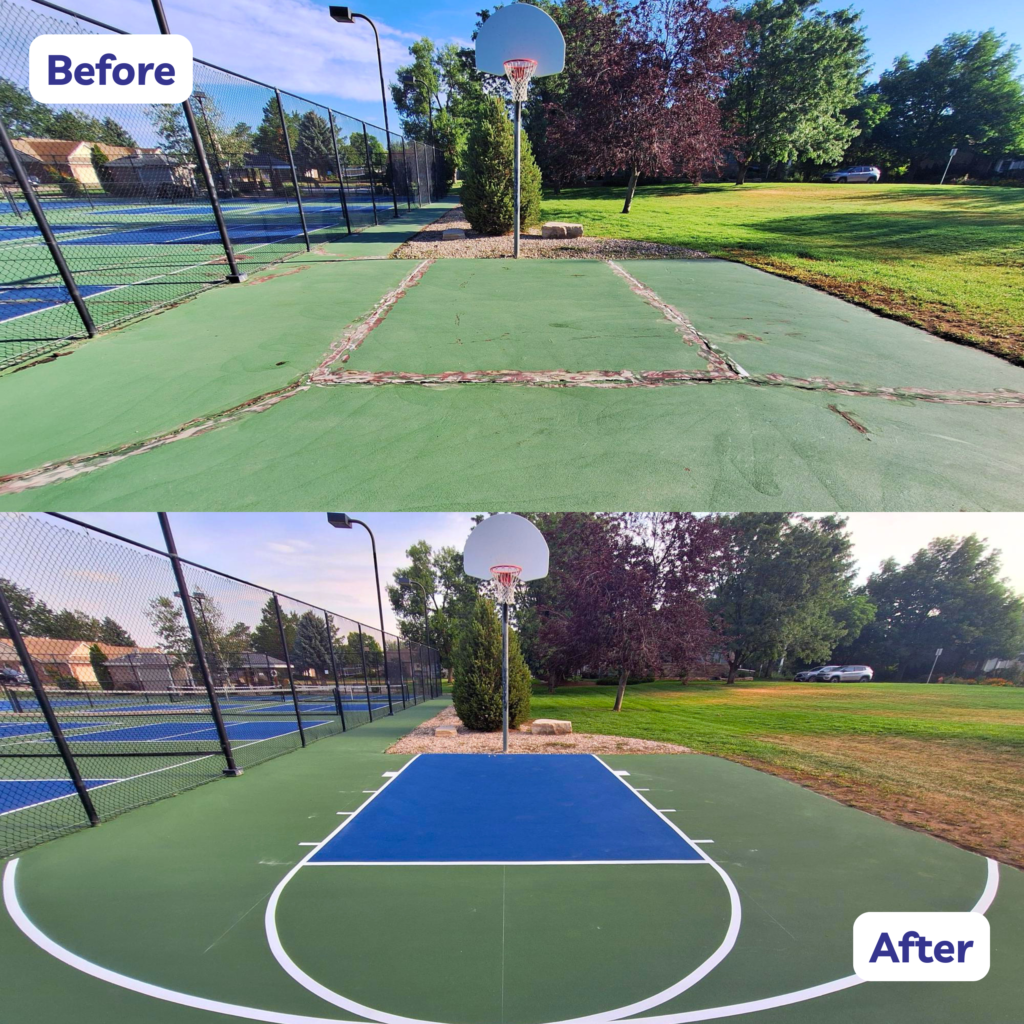
    Basketball court resurfacing can help restore a worn, faded, or uneven court before surface problems become harder to manage. Outdoor courts take abuse from foot traffic, weather, UV exposure, moisture, and everyday use. Over time, the surface can lose color, develop cracks, hold water, or feel less consistent during play. For schools, HOAs, parks, apartment communities, and private facilities, knowing when basketball court resurfacing is needed can help protect the court and improve the experience for players.

    What Is Basketball Court Resurfacing?

    It is the process of repairing and refreshing the top playing surface of a court. It is not always the same as full replacement. In many cases, the base of the court may still be usable, but the surface coating, texture, color, or line markings need attention.

    A resurfacing project may include cleaning the court, repairing cracks, addressing low spots, applying new surface materials, adding color coating, and repainting lines. The goal is to create a cleaner, smoother, safer, and more consistent surface for regular play.

    Signs Your Basketball Court May Need Resurfacing
    basketball court resurfacing

    A court does not have to look completely worn out before it needs work. Small issues can grow if they are ignored, especially when moisture gets into cracks or worn areas.

    Common signs include:

    • Faded or dull court color
    • Cracks spreading across the playing area
    • Low spots where water collects
    • Peeling, flaking, or worn surface coating
    • Slick areas with reduced traction
    • Rough texture that feels uncomfortable underfoot
    • Lines that are difficult to see
    • Uneven ball bounce or dead spots

    These problems can affect more than appearance. A worn surface may be harder to play on, less visually clear, and less inviting for the people using the space. When several signs appear together, basketball court resurfacing may be the right next step.

    Why Cracks and Low Spots Matter

    Cracks and low spots are two important issues to watch. Cracks allow water to enter the surface, which can lead to movement and damage over time. In Colorado, freeze-thaw cycles can make this worse because trapped moisture can freeze, expand, and push the surface apart.

    Low spots, sometimes called birdbaths, are areas where water remains after rain or snowmelt. Standing water can interrupt play, create slippery areas, and speed up surface wear. If puddles keep forming in the same places, basketball court resurfacing may need to include surface repair or leveling before new color coating is applied.

    How Resurfacing Improves Playability
    basketball court resurfacing

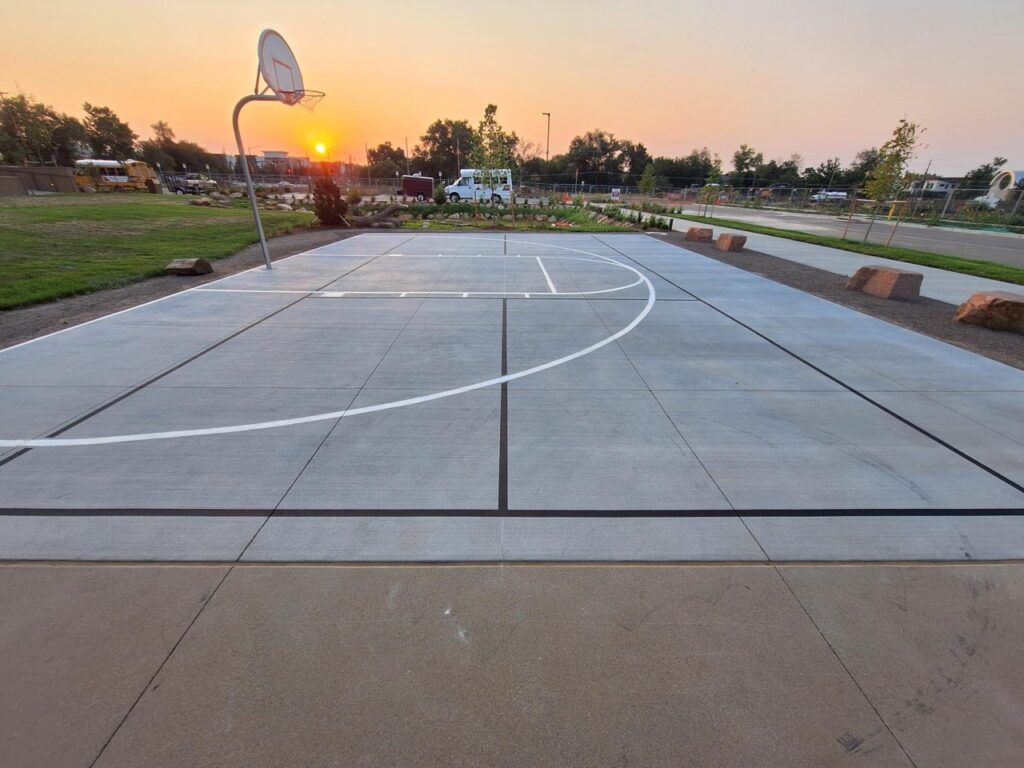
    A resurfaced surface can make the space feel cleaner, brighter, and more functional. For players, surface consistency matters. Traction, ball bounce, and clear court lines all affect how the game feels.

    Basketball court resurfacing may help improve:

    1. Foot traction during movement
    2. Ball response across the playing area
    3. Visibility with fresh color and striping
    4. Overall court appearance
    5. Long-term usability of the recreational space

    For property owners, resurfacing can also support curb appeal and show that the facility is being maintained.

    Resurfacing vs. Full Replacement

    Resurfacing may be practical when the playing surface is worn, faded, lightly cracked, or uneven, but the base is still workable. Full replacement may be necessary if there are major structural problems, severe drainage issues, deep cracking, or widespread base movement.

    That is why a professional evaluation is important. The right recommendation should be based on the condition, how it is used, and what problems are showing on the surface.

    A Better Space for Players and Property Owners

    Basketball court resurfacing is about more than making an old court look new again. It can help improve safety, appearance, playability, and long-term use. At Coatings, Inc., we provide court repair, resurfacing, color coating, restoration, and maintenance solutions for outdoor playing surfaces. If your court is faded, cracked, holding water, or no longer playing the way it should, a surface evaluation can help determine the best next step.
  • What to Ask Before Hiring an Asphalt Contractor Denver, CO

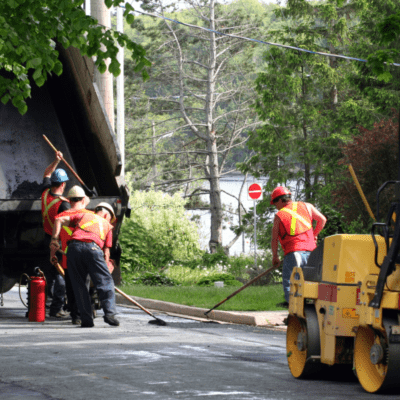
    Hiring an asphalt contractor Denver, CO property owners can trust starts with asking the right questions. Whether you manage a commercial parking lot, HOA roadway, apartment complex, or private drive lane, asphalt maintenance is an investment in safety, appearance, and pavement performance. A checklist can help you compare recommendations and avoid choosing based on price alone.

    What Asphalt Services Do You Actually Need?

    Before asking for a quote, understand what problem you are trying to solve. Not every pavement issue requires the same service. Some surfaces need seal coating to protect asphalt from weather, traffic, and oxidation. Others may need crack sealing, infrared repair, patching, drainage correction, or a combination of services.

    asphalt contractor denver, co Coatings Inc

    Ask what the asphalt contractor- Denver, CO sees during the inspection and why they recommend a specific solution. A reliable asphalt contractor should be able to explain whether the pavement is showing surface wear, cracking, raveling, potholes, water damage, or structural issues.

    Helpful questions include:

    • Is this damage cosmetic, surface-level, or structural?
    • Would seal coating be enough, or is repair needed first?
    • Are drainage issues contributing to damage?
    • Which areas should be prioritized now?

    How Will You Prepare the Surface?

    Surface preparation can make a major difference in how well asphalt maintenance performs. When working with an asphalt contractor Denver, CO property managers should ask exactly what preparation is included before any material is applied.

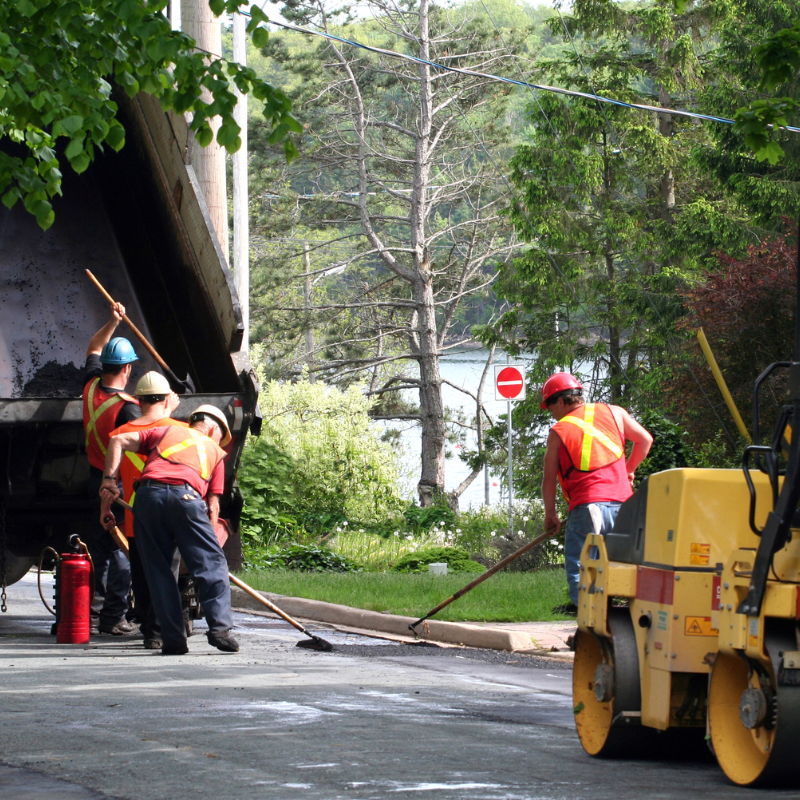
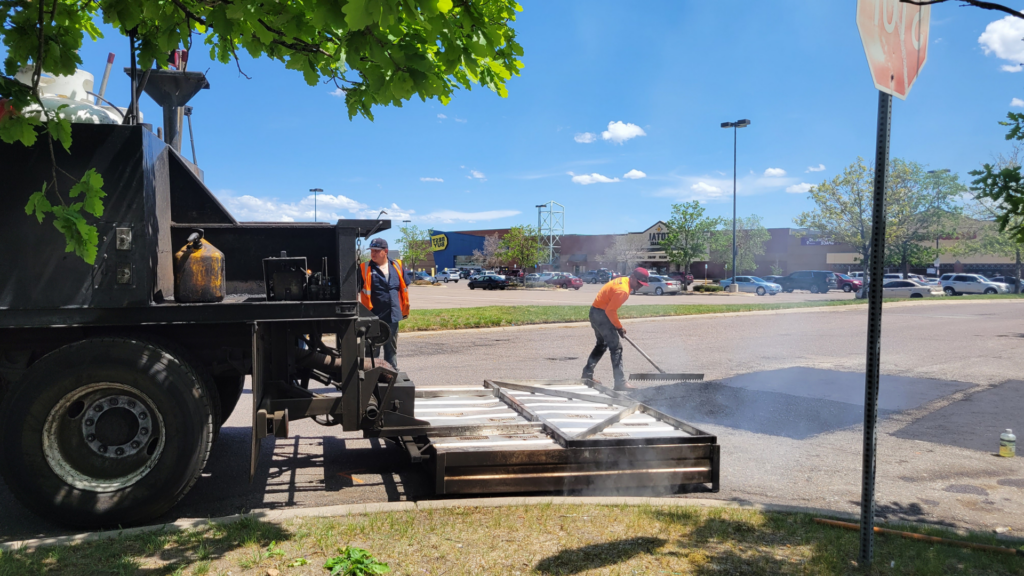
    For seal coating, pavement should be cleaned so debris, loose material, and vegetation do not interfere with adhesion. For crack sealing, cracks may need to be cleared before material is applied. For repairs, damaged asphalt may need to be cut, heated, patched, compacted, or blended.

    Ask what preparation is included in the estimate. This helps you understand whether the contractor is planning a quick surface application or complete process.

    What Materials and Methods Will Be Used?

    A professional asphalt contractor Denver, CO people rely on should be able to explain the materials and methods in plain language. You do not need every technical detail, but you should understand the approach.

    If crack sealing is recommended, ask how the sealant helps reduce water intrusion. If infrared repair is recommended, ask how the heated repair process works. If seal coating is recommended, ask how it protects the pavement and when the lot can reopen.

    What Is Included in the Estimate?

    Not all asphalt estimates are structured the same way. One quote may include cleaning, prep, crack sealing, traffic control, striping, and cleanup, while another may only include the main application. Comparing the total scope is more helpful than comparing the final number alone.

    asphalt contractor denver, co Coatings Inc

    Ask whether the estimate includes:

    1. Surface cleaning and preparation
    2. Crack sealing or repair work
    3. Seal coating or protective treatments
    4. Traffic control or access planning
    5. Line striping, if needed
    6. Cleanup after the project

    How Will the Work Affect Access?

    For commercial properties, scheduling matters. Before hiring an asphalt contractor- Denver, CO businesses, HOAs, and property managers should ask how the work will affect access for customers, tenants, employees, delivery drivers, and residents.

    A good contractor should help you plan around business hours, traffic flow, weather, and parking needs. Clear communication before the project begins can prevent confusion once crews arrive.

    What Should We Expect After the Work Is Done?

    Ask what the pavement should look like after the service and how long the results are expected to last. Timelines vary based on traffic, weather, drainage, pavement age, and prior condition. The asphalt contractor- Denver, CO should also explain how to protect the surface by keeping drains clear, addressing cracks, and scheduling inspections.

    Choosing a Contractor With Confidence

    Finding the right asphalt contractor Denver, CO property owners can work with is about more than hiring the lowest bid. The best choice is often the contractor who explains the pavement condition, recommends the right service, and helps you plan for maintenance. At Coatings, Inc., we provide asphalt maintenance services, including seal coating, crack sealing, infrared repair, and pavement solutions designed to help properties stay safer.

    If your parking lot, drive lane, roadway, tennis court, or pickleball court is showing signs of wear, we’ll help you understand what service makes the most sense for your surface. A professional inspection can help identify problem areas, prioritize repairs, and create a maintenance plan that supports the life and appearance of your pavement.

  • What Is Asphalt Raveling and What Does It Mean for Your Pavement?

    Asphalt raveling is a pavement problem where the surface starts to break apart, leaving loose gravel, rough texture, and a worn-down appearance. At first, it may look like normal aging, but this can be an early sign that the asphalt binder is losing its ability to hold the surface together. For parking lots, drive lanes, roads, and commercial properties, understanding this concept can help owners know when maintenance may be enough and when repair is needed.

    What It Looks Like

    Asphalt raveling happens when the small stones and asphalt binder on the pavement surface begin to separate. Instead of a smooth, sealed surface, the pavement may look dry, uneven, sandy, or gravelly. Loose aggregate may collect near curbs, entrances, parking spaces, or high-traffic areas.

    asphalt raveling

    Common signs include:

    • Loose stones or gravel on the pavement
    • A rough, sandy, or uneven texture
    • Faded gray asphalt that looks dry or brittle
    • Small pits or shallow worn areas
    • Edges that appear crumbly or broken down

    In the early stages, raveling may only affect the top layer. If ignored, water can enter worn areas, traffic can loosen aggregate, and the pavement can become vulnerable to cracks, potholes, and failures.

    Why Asphalt Raveling Happens

    Asphalt is made from aggregate, such as crushed stone and sand, held together by asphalt binder. When that binder dries out, weakens, or breaks down, it can no longer keep the aggregate firmly in place.

    Age is one of the most common causes of asphalt raveling. Over time, sun exposure, weather, oxidation, and traffic can cause the binder to lose flexibility. Once the surface becomes brittle, moisture and vehicle movement can loosen the aggregate.

    Drainage problems can make this worse. When water sits on pavement or flows across the same area repeatedly, it can weaken the surface and carry away loose material. Freeze-thaw cycles add stress because water can enter small openings, freeze, expand, and push pavement apart.

    Why It Should Not Be Ignored

    It can be easy to overlook asphalt raveling because it does not always look as urgent as a pothole or wide crack. However, it is still a warning sign. Once the surface begins to lose aggregate, the pavement has less protection against water, UV exposure, and traffic wear.

    Left untreated, raveling can lead to:

    1. More surface erosion as loose material breaks away
    2. Water intrusion into the pavement and base layers
    3. Increased cracking, soft spots, and pothole formation
    4. Rougher driving and walking surfaces
    5. Reduced curb appeal for properties

    Can Seal Coating Help?

    Seal coating can help protect asphalt surfaces that are still structurally sound. It adds a protective layer that helps guard against sunlight, water, oil, and wear while improving pavement appearance. If raveling is light and related to surface dryness or early oxidation, seal coating may help slow deterioration.

    However, seal coating is not a fix for every raveling problem. If the pavement has lost significant aggregate, has deep erosion, or is breaking apart, seal coating alone will not rebuild the surface. Repair may be needed before a protective coating is applied.

    When Repair May Be Needed

    More advanced asphalt raveling may require patching, infrared repair, or other pavement maintenance solutions. Infrared repair can be helpful for localized asphalt problems because it reheats and blends existing asphalt with new material. If cracks, open joints, or water intrusion are present, crack sealing may also be recommended.

    Protecting Your Pavement Before Damage Spreads

    Asphalt raveling is often a sign that pavement protection is wearing down. While it may start as loose gravel or a rough surface, it can lead to bigger problems if water, traffic, and weather continue to break the surface apart. Coatings, Inc. helps property owners protect and maintain asphalt surfaces. If your parking lot is showing signs of raveling, an inspection can help determine the best next step.

  • How Asphalt Drainage Problems Damage Parking Lots

    Asphalt drainage plays a major role in how long a parking lot lasts, especially in Colorado where weather can shift quickly from warm sun to freezing temperatures. When water cannot move off the pavement properly, it does more than create puddles. Poor drainage can weaken the surface, break down the base below, and lead to cracks, soft spots, potholes, and costly repairs over time.

    For commercial properties, HOAs, retail centers, and office buildings, parking lot condition matters. It affects safety, curb appeal, accessibility, and the overall impression people have when they arrive. Understanding this concept is one of the best ways to recognize early warning signs before small water problems become major pavement damage.

    Why Water Is So Hard on Asphalt

    Asphalt is designed to be durable, but it is not meant to hold standing water for long periods. A well-built parking lot should move liquid toward drains, gutters, landscaped areas, or other designed runoff points. When asphalt drainage is poor, water sits on the surface or seeps into small openings.

    Over time, it can enter cracks, joints, low spots, and weakened pavement areas. Once moisture gets beneath the surface, it can soften the base layer that supports the asphalt. When vehicles drive over these weakened areas, the pavement flexes more than it should. This movement often leads to cracking, sinking, and pothole formation.

    In colder months, asphalt drainage becomes even more important. Water that enters cracks can freeze and expand, pushing the pavement apart. When the ice melts, more liquid enters the opening. This freeze-thaw cycle can quickly turn minor cracks into larger pavement failures.

    asphalt drainage coatings inc.

    Common Signs of Asphalt Drainage Problems

    Puddles that remain long after rain or snowmelt are one of the clearest signs of drainage issues. While a small amount of temporary water may not be unusual after a storm, standing water that lingers can indicate low spots, poor slope, blocked drainage, or surface settlement.

    Property owners and managers should watch for signs such as:

    • Pooling in the same areas after every storm
    • Cracks forming around low spots or drain areas
    • Potholes that keep returning after temporary repairs
    • Loose gravel, raveling, or crumbling asphalt
    • Water flowing toward buildings, sidewalks, or entrances

    These issues may seem minor at first, but they can accelerate deterioration. Liquid slowly wears at the pavement surface, collects dirt and debris, and can seep into small imperfections. In high-traffic areas, tires push water into cracks and weak points, increasing the pressure on already vulnerable sections.

    How Poor Slope Creates Pavement Problems

    Slope is one of the most important parts of asphalt drainage. Parking lots need a slight grade to guide water away from the pavement and toward the right collection points. When the slope is too flat, uneven, or directed incorrectly, water has nowhere to go.

    Poor slope can happen for several reasons. The parking lot may have been installed without enough grade, the pavement may have settled over time, or previous repairs may have created uneven transitions. Even small depressions can trap water and create long-term damage.

    When slope issues are ignored, the pavement may begin to break down in patterns. Property owners might notice cracking around low areas, loose asphalt, surface raveling, or potholes that return after temporary repairs. In these situations, the problem is not just the damaged asphalt. The larger issue may be asphalt drainage.

    Clogged Drains and Blocked Runoff Areas

    Even when a parking lot was designed properly, clogged drains can create serious asphalt drainage problems. Leaves, trash, sediment, ice, and landscape debris can block liquid from leaving the surface. When drains, gutters, or nearby runoff paths are blocked, water backs up and spreads across the pavement.

    Regular inspections can help prevent this. Property managers should pay attention to areas around drains, curb lines, entrances, and landscaped edges. If liquid is collecting where it should be flowing away, the drainage path may need to be cleaned, adjusted, or repaired.

    Good asphalt drainage is not only about the pavement itself. It also depends on the surrounding property conditions.

    What Property Owners Can Do

    The best approach is to address asphalt drainage problems early. Routine pavement inspections can help identify puddling, clogged drains, low spots, cracking, and areas where water is moving incorrectly.

    Helpful maintenance steps may include:

    • Clearing drains, gutters, and runoff paths of debris
    • Sealing cracks before water can reach the base layer
    • Scheduling inspections after heavy rain or snowmelt
    • Repairing low spots before they become larger failures
    • Working with an asphalt maintenance contractor to identify long-term solutions

    For more advanced problems, a professional asphalt maintenance contractor can help determine whether the issue is caused by surface wear, poor slope, base failure, or blocked drainage. Coatings, Inc. helps property owners maintain safer, longer-lasting asphalt surfaces through services such as crack sealing, seal coating, infrared repair, and other pavement maintenance solutions.

    Protecting Your Parking Lot Starts With Control

    Asphalt drainage may not be the first thing people think about when they look at a parking lot, but it is one of the biggest factors in pavement health. Standing water, poor slope, and clogged drains can all lead to cracking, soft spots, and potholes if they are not addressed. By watching for early signs and investing in proactive maintenance, property owners can extend the life of their asphalt, reduce repair costs, and keep their parking lots safer and more reliable year-round.

  • Pothole Repair: What Property Owners Need to Know

    pothole repair coatings

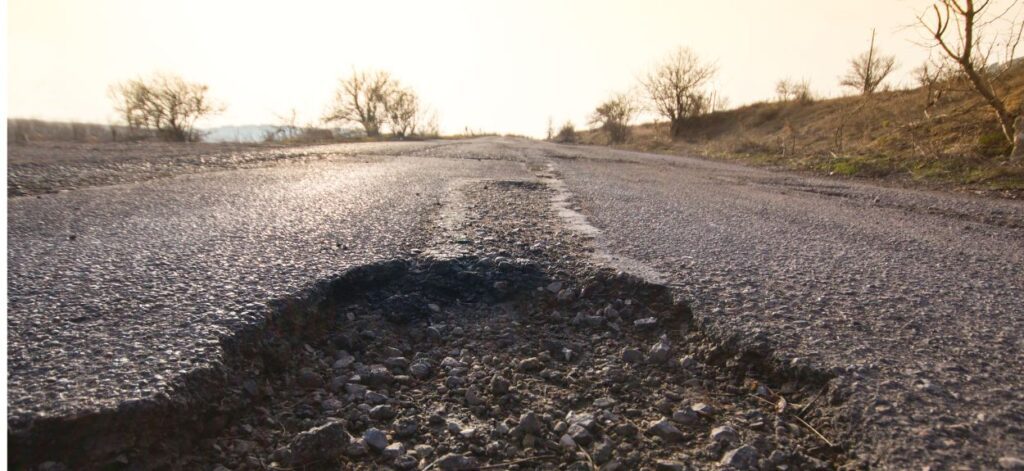
    When it comes to keeping pavement safe, smooth, and functional, pothole repair should never be pushed to the bottom of the maintenance list. Potholes are more than an eyesore. They can damage vehicles, create trip hazards, and point to deeper problems that may become more expensive if ignored. For property owners, HOAs, and commercial managers, understanding how potholes form and how to fix them can help protect both safety and long-term budgets.

    What Causes Potholes?

    Most potholes start with water. Small cracks allow moisture to seep below the surface. In Colorado, freeze-thaw cycles make this problem worse. Water freezes, expands, and pushes the pavement apart. When it melts, it leaves weakened areas beneath the surface.

    As vehicles continue driving over those weakened spots, the pavement flexes and eventually breaks apart. Heavy traffic, poor drainage, aging materials, and delayed maintenance can all speed up the process. What begins as a small crack can turn into a larger hole if it is not addressed early.

    Common causes of potholes include:

    • Water entering through cracks
    • Repeated freeze-thaw cycles
    • Heavy vehicle traffic
    • Poor drainage or standing water
    • Aging pavement and lack of routine maintenance

    Why Timely Pothole Repair Matters

    Delaying pothole repair can create safety, liability, and cost concerns. Drivers may swerve to avoid damaged areas, pedestrians may trip, and vehicles can experience tire, wheel, or suspension damage. For businesses and residential communities, visible pavement damage can also affect curb appeal and create a poor first impression.

    The longer a pothole sits, the more likely it is to grow. Water continues entering the damaged area, traffic continues weakening the base, and the repair area becomes larger. Timely pothole repair helps restore the surface before the damage spreads and reduces the likelihood of more extensive work later.

    Common Pothole Repair Options

    Not every pothole needs the same solution. The best repair method depends on the size, depth, location, and condition of the surrounding pavement.

    Potholes in colorado pothole repair and maintenance

    Patching is often used for quick, short-term repairs. It fills the damaged area and restores usability, but it may not always address deeper structural concerns.

    Infrared repair is a more advanced option that uses heat to soften the surrounding pavement. New material is blended with the existing surface, creating a smoother, more seamless repair. This can be a strong choice when the surrounding surface is still in good condition.

    Full-depth repair is used when damage extends below the surface. The affected section is removed and rebuilt, making it a more intensive but longer-lasting option for serious failure.

    How to Prevent Future Potholes

    While pothole repair is important, prevention is the smarter long-term strategy. Routine maintenance helps stop water from entering the surface and weakening the base below.

    A strong maintenance plan may include:

    • Regular pavement inspections
    • Crack sealing before winter weather
    • Seal coating to protect the surface
    • Drainage improvements to reduce standing water
    • Timely repairs before small issues spread

    Coatings, Inc. offers services such as crack sealing, infrared repair, seal coating, and broader maintenance to help property owners stay ahead of damage. These services work together to extend surface life and reduce the need for emergency repairs.

    A Smarter Way to Protect Your Pavement

    Effective pothole repair is not just about filling a hole. It is about understanding why the damage happened and choosing the right repair for the condition of the pavement. A quick fix may work in some cases, while other situations need a more durable repair method to prevent repeat problems.

    With more than 50 years of experience serving the Denver Metro area, Coatings, Inc. understands how Colorado weather, traffic, and seasonal wear affect pavement. By addressing potholes early and pairing repairs with preventive maintenance, property owners can reduce hazards, improve appearance, and keep paved surfaces performing longer.

  • Do You Need Tennis Court Maintenance Before Summer?

    As warmer weather approaches, now is the ideal time to evaluate your surface and plan for tennis court maintenance. Winter conditions, regular use, and environmental exposure can all take a toll on your court, often in ways that are not immediately visible. Addressing these issues early helps ensure a safer, more enjoyable playing experience while preventing more costly repairs later in the season.

    At Coatings, Inc., proper maintenance is viewed as an ongoing investment, not just a one-time fix. Their approach focuses on keeping courts in top condition year-round through a combination of inspection, repair, and protective treatments. This proactive mindset helps property owners extend court life, improve playability, and address small issues before they turn into more costly surface problems.

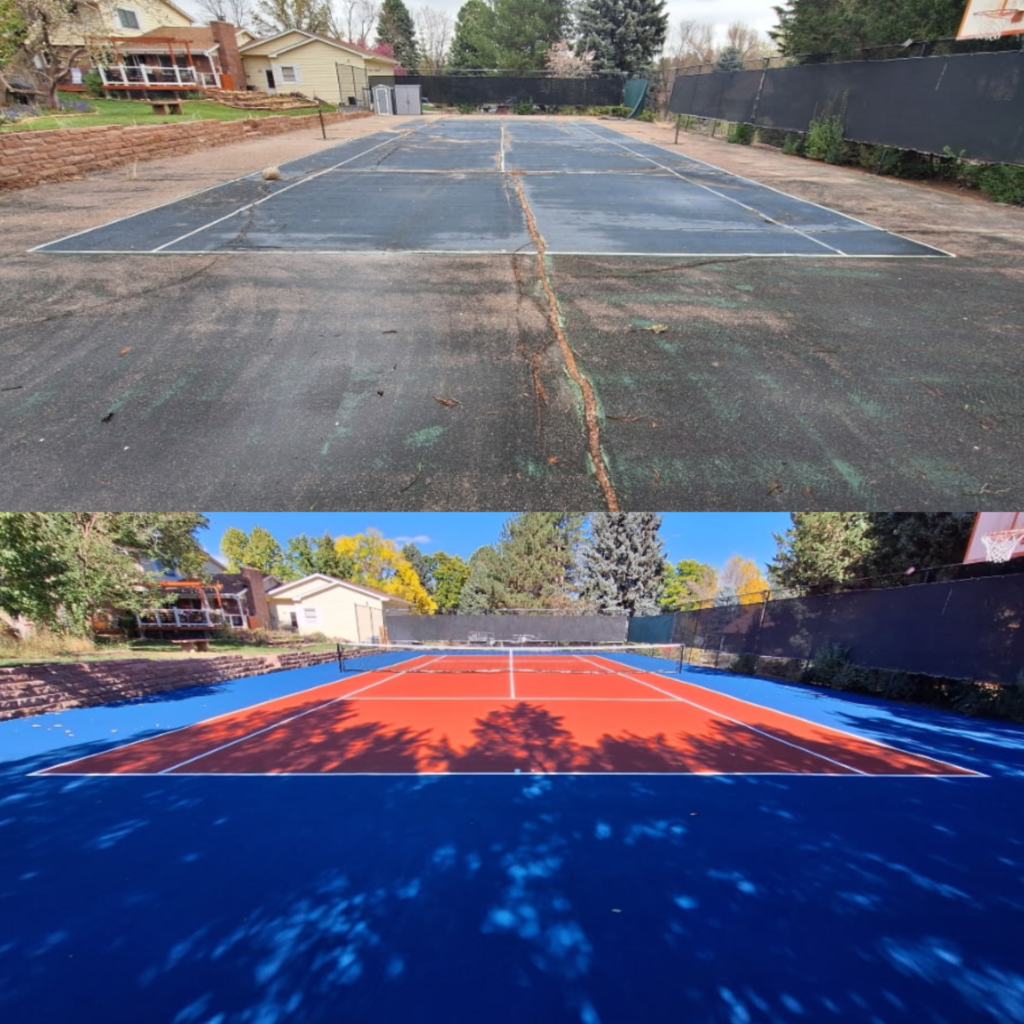
    tennis court maintenance- coatings inc

    Why Seasonal Maintenance Matters

    Seasonal tennis court maintenance is especially important in Colorado, where freeze–thaw cycles and UV exposure can accelerate surface wear. Small cracks can expand over the winter, and debris buildup can affect traction and playability.

    Without regular attention, minor surface issues can develop into larger problems such as uneven areas, drainage concerns, or structural damage. Routine care not only improves safety but also extends the overall lifespan of your court.

    By scheduling maintenance before peak usage in summer, property owners can ensure their courts are ready for increased activity and avoid mid-season disruptions.

    Common Signs Your Court Needs Maintenance

    Knowing when to prioritize tennis court maintenance can help prevent long-term damage. Some of the most common signs include:

    • Surface cracks or chips: These may seem minor but can quickly worsen with continued use and weather exposure
    • Fading or worn coatings: Loss of color often indicates the protective layer is wearing thin
    • Uneven areas or low spots: These can affect ball bounce and create potential tripping hazards
    • Water pooling or drainage issues: Standing water can weaken the surface over time

    If you notice any of these issues, it may be time to consider professional tennis court maintenance services to restore both performance and appearance.

    What Professional Tennis Court Maintenance Includes

    Professional maintenance goes beyond simple cleaning. At Coatings, Inc., services are designed to address both surface-level concerns and long-term durability.

    Typical services include:

    tennis court maintenance- coatings inc
    • Routine inspections: Identifying early signs of wear before they become major issues
    • Surface cleaning: Removing debris, dirt, and buildup that can impact playability
    • Crack repair: Sealing cracks to prevent water infiltration and further deterioration
    • Protective coatings: Reapplying coatings to restore color, traction, and protection from the elements

    These services work together to maintain a smooth, consistent playing surface while protecting the court from future damage.

    How Maintenance Supports Performance and Safety

    Regular tennis court maintenance directly impacts how the court performs. A well-maintained surface ensures consistent ball bounce, proper traction, and clear markings — all essential for a quality playing experience.

    Safety is another critical factor. Cracks, uneven surfaces, and worn coatings can increase the risk of slips or injuries. By addressing these issues early, maintenance helps create a safer environment for players of all skill levels.

    In addition, maintaining your court enhances its overall appearance, making it more inviting for both recreational use and organized play.

    Planning Ahead for Long-Term Court Care

    The most effective tennis court maintenance strategy is proactive rather than reactive. Instead of waiting for visible damage to appear, regular inspections and scheduled maintenance help extend the life of your court and reduce the need for major repairs.

    Coatings, Inc. provides tailored solutions based on usage, environment, and surface condition. Whether your court needs minor repairs or a more comprehensive refresh, their team works to deliver results that are both durable and efficient.

    By investing in consistent care, property owners can keep their courts performing at a high level season after season — ensuring they remain safe, functional, and ready for play when it matters most.

  • Why Choose Coatings, Inc. for Pavement Resurfacing & Asphalt Services

    Choosing the right partner for pavement resurfacing is about more than price or availability. For property owners and managers, it’s about reliability, communication, and knowing the work will hold up long after crews leave the site. With over five decades of experience serving the Denver Metro area, we at Coatings, Inc. have built our reputation by helping clients make informed decisions, minimize disruption, and maintain surfaces that perform over time.

    Rather than approaching resurfacing as a one-off project, we focus on long-term surface performance through thoughtful planning and consistent asphalt services tailored to each property’s needs.

    What to Look for in a Pavement Partner

    When evaluating companies for pavement resurfacing or related services, several factors matter more than many realize. Experience is critical — not just years in business, but proven consistency across different property types and usage levels. Clear communication and defined scope are equally important, ensuring expectations are set early and surprises are avoided.

    Scheduling flexibility is another key consideration. Properties often can’t afford extended closures or unpredictable timelines. A reliable partner should understand how to coordinate work around operating hours, tenant needs, or community access without compromising quality. Coatings, Inc. prioritizes these elements, making predictability a core part of how projects are managed.

    Why Local Experience Makes a Difference

    Colorado’s climate creates unique challenges for surface longevity. Freeze–thaw cycles, high-elevation UV exposure, and sudden temperature swings all accelerate wear. Pavement resurfacing that doesn’t account for these conditions can fail sooner than expected, even when it appears properly installed.

    pavement resurfacing and asphalt services- Coatings Inc.

    Coatings, Inc.’s long-standing presence in the Denver Metro area means resurfacing recommendations are based on real regional performance, not one-size-fits-all assumptions. Local experience informs important decisions such as:

    • When work is scheduled to support proper curing
    • Which materials perform best under freeze–thaw stress
    • How surfaces are prepared to address regional wear patterns

    This knowledge helps property owners plan maintenance cycles more effectively, reducing unexpected repairs and extending surface life.

    Minimizing Disruption Is Part of the Job

    One of the biggest concerns for businesses, HOAs, and community spaces is operational disruption. Pavement resurfacing often affects access, parking, and daily routines — and poor coordination can lead to frustration for residents or customers.

    We approach resurfacing with an understanding that properties don’t pause operations just because maintenance is underway. By planning work in phases, coordinating schedules carefully, and communicating clearly, the company helps reduce downtime while still delivering high-quality asphalt services. This attention to logistics is just as important as the technical work itself.

    Preventive Maintenance vs. Reactive Repair

    Many resurfacing projects begin because small issues were allowed to grow unchecked. Cracking, fading, and surface wear rarely happen overnight. Preventive maintenance — including sealing, targeted repair, and routine evaluations — can significantly extend the time between major resurfacing cycles.

    A trusted pavement partner helps property owners plan ahead rather than respond after problems escalate. We emphasize preventive strategies that protect the existing surface and delay more extensive work. When resurfacing is eventually needed, it’s done at the right time — not as an emergency response.

    What Working with Coatings, Inc. Looks Like

    The resurfacing process with us is straightforward and transparent. Projects begin with an assessment to understand surface condition and usage demands. From there, recommendations are tailored to the property’s goals, whether that means immediate resurfacing or phased maintenance.

    Scheduling is coordinated to minimize disruption, and work is completed efficiently with clear communication throughout. This approach reflects the company’s long-standing commitment to customer satisfaction and practical solutions — the same values that have guided Coatings, Inc. for more than 50 years.By choosing a partner with proven experience, thoughtful planning, and dependable asphalt services, property owners can approach pavement resurfacing with confidence — knowing the results will support their property for years to come.

  • Pickleball Court Resurfacing: Keeping Your Court Safe and Playable

    With pickleball’s explosive growth across the country — participation in the sport has increased dramatically over recent years, and outdoor and community courts are catching up with demand— maintaining high‑quality surfaces is more important than ever. For facilities and property owners, pickleball court resurfacing is an essential part of ensuring safety, optimal playability, and long life for these popular recreational spaces.

    At Coatings, Inc., we understand that surface wear and damage occur over time due to regular use, weather exposure, and aging materials. Investing in professional maintenance not only restores your court’s performance but also reinforces its durability for years of fun and competition.

    Why Resurfacing Matters

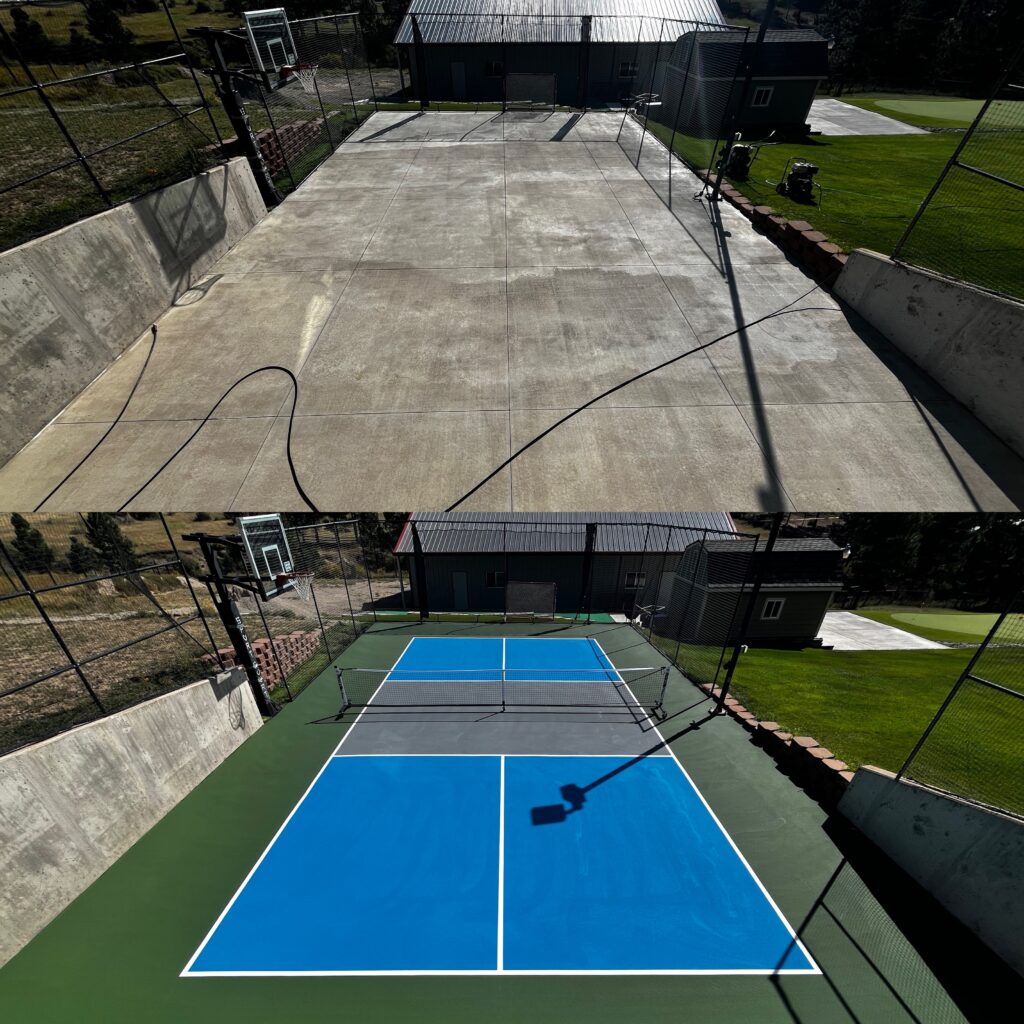
    pickleball court resurfacing

    Outdoor courts are exposed to a wide range of stresses. Heavy foot traffic, shifting temperatures, UV rays, and moisture all contribute to surface deterioration. Over time, a court may develop small cracks, fading colors, uneven texture, or tripping hazards. These issues not only impact the quality of play but also create safety concerns for players.

    According to surface maintenance guidelines, regular maintenance such as cleaning, patching, and resurfacing extends the life of a court and helps prevent minor flaws from becoming major problems. Resurfacing effectively renews the structure beneath the color and lines, smoothing out imperfections and refreshing the protective coatings that shield the surface from environmental wear.

    For multi‑purpose facilities that accommodate both pickleball and tennis, this is a proactive way to manage varying levels of use and ensure all players enjoy a consistent experience.

    Signs Your Court Needs Professional Attention

    Knowing when to invest in pickleball court resurfacing helps owners stay ahead of serious issues. Some common signs that your court may benefit from professional resurfacing include:

    • Cracks and Surface Wear: Small cracks and surface flaws may be harmless at first but can widen over time, leading to uneven ball bounce and increasing trip hazards. When these begin to spread, resurfacing is often the best solution.
    • Faded or Dull Color: Intense sun exposure and frequent play cause pigments and surface coatings to lose vibrancy, which while partly cosmetic, also means the protective layer has worn thinner and the underlying material is more exposed.
    • Drainage Issues or Water Pooling: Water that doesn’t drain properly can accelerate wear and compromise the surface base. Resurfacing can help restore proper texture and slope for improved drying and playability.
    • Uneven Bounce or “Dead Spots”: A smooth, even surface ensures predictable play. If balls react inconsistently or play feels unsafe or frustrating, resurfacing can restore uniform texture and performance.

    Resurfacing can address these problems before they become costly safety issues or lead to larger structural repairs.

    What Professional Pickleball Court Resurfacing Includes

    Professional pickleball court resurfacing is more than just a cosmetic update — it’s a carefully managed process that restores the entire playing surface. Typical steps include:

    • Surface Preparation: Thorough cleaning and removal of debris, dirt, and any vegetation to ensure proper adhesion and a smooth base.
    • Crack and Patch Repair: Repairing cracks, chips, and surface damage with specialized materials ensures that the resurfacing application is consistent and durable.
    • Application of New Surface Layers: New layers of resurfacing material — often acrylic coatings — are applied evenly for optimal performance, traction, and heat resistance.
    • Line Striping: Accurate, regulation‑compliant painting of boundary lines and court markings enhances play quality and player experience.

    Professionals take into account local climate conditions, such as Denver’s freeze‑thaw cycles, which can affect curing and material performance.

    Long‑Term Benefits of Resurfacing

    pickleball court resurfacing

    Investing in pickleball court resurfacing doesn’t just improve the immediate appearance of a court — it contributes lasting value for players and facility managers alike. A smooth, even surface reduces trip hazards and eliminates dead spots, creating a safer and more consistent play environment. It also restores traction, enhances ball response, and helps courts stand up better to daily wear, foot traffic, and harsh weather conditions.

    Beyond playability and safety, resurfacing breathes new life into aging courts with vibrant, UV-resistant color coatings and sharp line striping. A freshly refinished surface can even reflect community colors or branding while increasing the overall appeal of the space. At Coatings, Inc., resurfacing is part of a long-term maintenance strategy that prioritizes quality, performance, and extended court life — whether you’re updating a single neighborhood court or maintaining a large recreational complex.

    Why This Is a Smart Long-Term Investment

    Understanding when and why to resurface helps you protect your investment and provide the best possible experience for players. Keep an eye on wear signs, weather impacts, and usage patterns. If you notice surface defects or diminishing performance, it may be time to consult with a professional. Coatings, Inc. offers tailored court services, including high‑quality resurfacing, repair, and ongoing maintenance to keep your tennis and pickleball courts performing at their best. Reach out to discuss how pickleball court resurfacing can benefit your facility and help you stay up to date with evolving player needs.

  • Understanding What Causes Asphalt Damage and How to Prevent It

    When a pavement surface shows signs of distress, it’s usually because underlying forces have compromised its structural integrity. Understanding the common causes of asphalt damage can help property managers, business owners, and maintenance planners take proactive steps to protect their investment. With over fifty years of experience serving the Denver metro area, Coatings, Inc. knows that recognizing the early signs of deterioration and taking timely action can significantly extend the lifetime of any paved surface.

    How Weather and Environment Contribute to Distress

    One of the most significant drivers of asphalt damage is weather, particularly in climates that experience wide temperature swings. Water that enters existing cracks or joints can expand when it freezes, pushing apart the material and creating larger gaps. This cycle of freezing and thawing weakens the pavement structure over time, leading to cracking, edge breakage, and even potholes after repeated climatic stress.

    Moisture isn’t the only environmental factor. Ultraviolet radiation from the sun oxidizes the surface binder in the pavement, making it brittle and prone to cracking. According to industry insights on pavement deterioration, repeated thermal cycling from hot days to cold nights stresses the surface, contributing to common failures like transverse and longitudinal cracking.

    Traffic Loads and Structural Stress

    Heavy vehicles and repeated traffic loads also accelerate asphalt damage. Every time a vehicle passes over a pavement surface—especially large trucks or construction equipment—the load stresses the material. When underlying layers are weak or the base was not properly prepared, this stress leads to fatigue cracking or alligator cracking, where the surface develops interconnected fracture patterns.

    Over time, the cumulative effect of traffic can cause the surface to deform, rut, or curl at the edges. These signs often indicate deeper structural issues in the subbase or foundation, which may require more extensive intervention than surface patching alone.

    Poor Drainage and Subgrade Issues

    Water is one of the most damaging forces acting on any pavement system. When stormwater does not drain properly, it tends to pool in low areas, causing saturation of the base and subgrade. A saturated foundation loses strength, making the overlying surface more susceptible to deformation and failure. This can result in depressions that hold water and become breeding grounds for accelerated cracking and potholes.

    Coatings, Inc. emphasizes that part of effective pavement care is ensuring proper drainage design so that water flows away from the surface rather than into it. Proper drainage not only helps reduce asphalt damage but also protects adjacent landscape and structural elements from water intrusion.

    Material Quality and Installation Practices

    Not all surfaces are created equal. The mix design, material quality, and installation practices used when constructing or repairing a surface significantly affect long-term performance. Improper compaction, incorrect binder ratios, or the use of substandard aggregates can weaken the material and leave it prone to early wear.

    For example, a surface that was not compacted to the correct density will have a higher air void content. These voids allow water to infiltrate more easily, increasing the likelihood of freeze-thaw damage. Addressing these issues early—through methods like proper crack sealing and professional repair techniques—can mitigate the progression of asphalt damage in otherwise sound pavement.

    Preventative Maintenance: Your Best Defense Against Asphalt Damage

    asphalt damage services- coatings inc

    Regular maintenance is the most effective strategy to prevent widespread deterioration. Coatings, Inc. offers several preventative services designed to extend pavement life and minimize asphalt damage:

    • Crack Sealing: Seals small cracks before they widen and allow water infiltration.
    • Infrared Repair: Efficiently blends new material into damaged areas for a seamless fix.
    • Seal Coating: Adds a protective layer that guards against oxidation, moisture, and UV radiation.

    Early detection and intervention prevent minor issues from becoming major repairs. A routine inspection schedule—especially before seasonal changes—helps property managers spot emerging problems before they escalate.

    Planning for Long-Term Surface Health

    Understanding the causes of asphalt damage empowers you to make better decisions about maintenance and repair. Regular inspection, proper drainage management, and timely application of preventative services can dramatically slow the progression of surface deterioration. Working with experienced professionals like Coatings, Inc. ensures that maintenance strategies are tailored to the specific environmental and usage conditions of your property.

    Whether you’re preparing for seasonal changes or addressing visible surface distress, informed action today can protect your pavement investment for years to come.

  • Asphalt Maintenance for Winter: How to Protect Your Pavement Before Snow Hits

    As the temperatures drop and snow starts to fall, taking proactive steps in your asphalt maintenance for winter plan can make all the difference between a smooth spring-start and costly pavement repair. With over five decades of experience in the Denver metro area, Coatings, Inc. knows that proper winter preparation not only preserves curb appeal—it protects the structural integrity of your asphalt surfaces.

    Waiting until the damage is visible often means it’s too late for simple solutions. Addressing cracks, drainage issues, or soft spots before winter storms arrive gives you the best chance at preventing long-term deterioration. With the right seasonal maintenance, you can minimize safety hazards, reduce repair costs, and keep your surfaces performing through even the harshest weather.

    Why Winter Demands Special Asphalt Care

    In Colorado’s climate, pavement is under serious stress during winter. Moisture enters cracks and crevices, then freezes and expands, causing the surface and underlying base to shift, crack, or even collapse into potholes. Heavy snow plows and de-icing chemicals add further wear, while freeze-thaw cycles repeatedly burden untreated asphalt. Coatings, Inc. emphasizes that scheduled asphalt maintenance for winter is much more cost-effective than emergency repair after the damage is done.

    Key Elements of Pre-Winter Asphalt Maintenance

    Crack Sealing
    One of the most effective preventative steps in your asphalt maintenance for winter strategy is sealing visible cracks before the first heavy snow. Coatings, Inc. advocates filling even minor fissures to stop moisture infiltration and protect the base from freeze cycles. Their process involves thoroughly cleaning cracks, applying high-performance sealant, and scheduling work under optimal weather conditions.

    Infrared Repair
    For more than just surface cracks—such as shallow potholes or sunken patches—the infrared repair method offers a fast and efficient solution. By softening and re-blending existing asphalt with new material, Coatings, Inc.’s infrared repair capability ensures a seamless patch and prepares the surface for the cold season ahead.

    Seal Coating & Drainage Checks
    Applying a protective seal coat adds another layer of defense—shielding asphalt from UV damage, water intrusion, and oil or gas spills. Additionally, ensuring proper drainage (that snowmelt or rain flows away from pavement edges and low spots) is vital. Standing water or runoff weakens the base and undermines your asphalt maintenance for winter. 

    asphalt maintenance for winter- coatings inc

    Mid-Winter Maintenance Tips

    Even after prepping for winter, your pavement still needs attention while it’s cold. Asphalt maintenance for winter isn’t a one-and-done effort—it requires ongoing care to protect surfaces through freezing temperatures and storms. Keep snow and ice cleared as soon as possible—delays mean repeated freeze-thaw cycles, which increase damage risk. Use de-icers judiciously: some salts accelerate asphalt wear. Consider alternatives like magnesium chloride or calcium magnesium acetate where conditions allow. Check for drainage issues after storms and inspect your surfaces for fresh damage so you can stay ahead of problems.

    What Your Asphalt Maintenance Plan Should Prioritize

    When building an asphalt maintenance for winter strategy with Coatings, Inc., focus on these priorities:

    • Booking crack sealing and any needed repairs while pavement is still dry and mild enough for application.
    • Scheduling infrared repair for shallow damage before heavy snow compacts into it.
    • Applying a seal coat and confirming drainage paths are clear before the season’s most challenging freeze-thaw cycles begin.
    • Monitoring the surface throughout winter and planning follow-up maintenance in spring to catch any problem zones early.

    This proactive approach ensures protection when conditions worsen—and saves both time and money by avoiding reactive fixes after damage has progressed.

    Preparing for What Comes Next

    By investing in comprehensive asphalt maintenance for winter now, you’ll reduce the chance of early spring disruption, lengthy repairs, or complete resurfacing. Coatings, Inc. brings trusted experience, high-quality materials, and proven methods to every job—from crack sealing to infrared repair to seal coating—so your pavement remains safe, functional, and attractive through the harshest season ahead.