Category: blogs

  • Parking Lot Repair 101 — Top Things to Know

    Parking Lot maintenance

    Parking lots are a fundamental aspect of the modern urban landscape, directly impacting the functionality and aesthetics of businesses and public spaces. Their condition can significantly influence customer perceptions and experiences, making parking lot repair a critical consideration for property owners.

    A well-maintained parking lot speaks volumes about the attention to detail and care a business invests in its operations. Conversely, neglected lots can lead to negative impressions and potential safety hazards. This comprehensive guide aims to provide essential insights into parking lot repair, addressing common issues and effective maintenance strategies.

    Common Parking Lot Issues and Their Causes

    The deterioration of parking lots is an ongoing challenge, primarily due to their constant exposure to traffic and environmental elements. Key issues include:

    Potholes: These occur due to the breakdown of asphalt from repeated vehicle load, water infiltration, and temperature fluctuations.

    Cracks: Various types of cracks can form due to thermal expansion, contraction, and the aging of materials. Cracks allow water to seep into the base layer, exacerbating damage.

    Occasionally, more complex problems like subsidence or sinking surfaces may arise, especially if the parking lot is constructed on unstable ground.

    Effective Parking Lot Repair Techniques

    Addressing parking lot issues promptly and efficiently requires professional expertise. Common repair methods include:

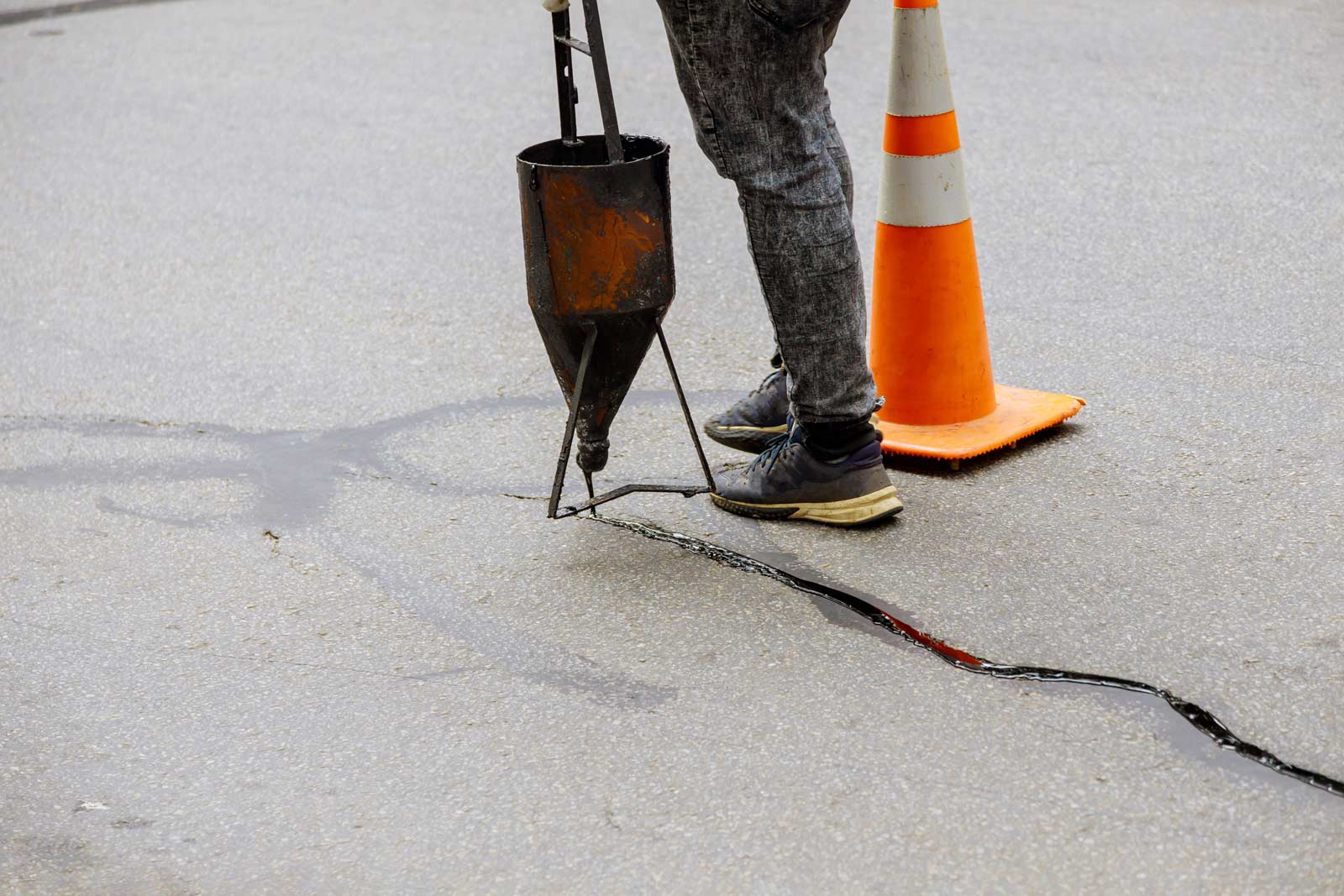
    Crack Sealing: Ideal for smaller cracks, this method involves filling cracks with a durable sealant to prevent water ingress and further deterioration.

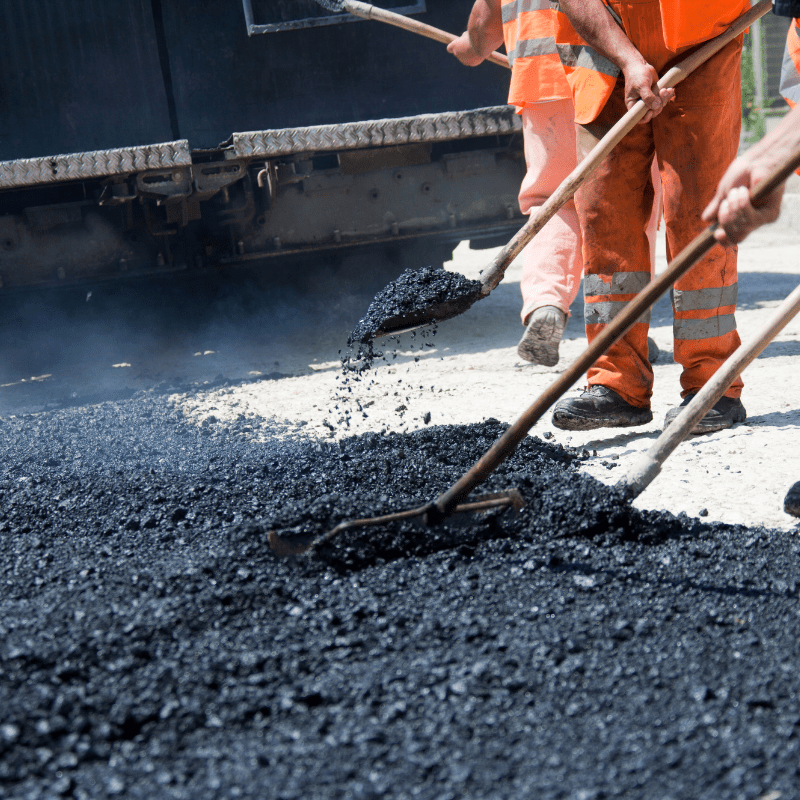
    Infrared Repair: A more advanced technique for repairing larger cracks and potholes. It involves heating the damaged asphalt area and blending it with new asphalt for a seamless repair.

    The Importance of Proactive Parking Lot Maintenance

    sealcoating parking lot repair

    Proactive maintenance is crucial for extending the life of your parking lot and preventing significant damage. Regular inspections by professionals can identify early signs of wear, allowing for timely interventions. Preventative measures include:

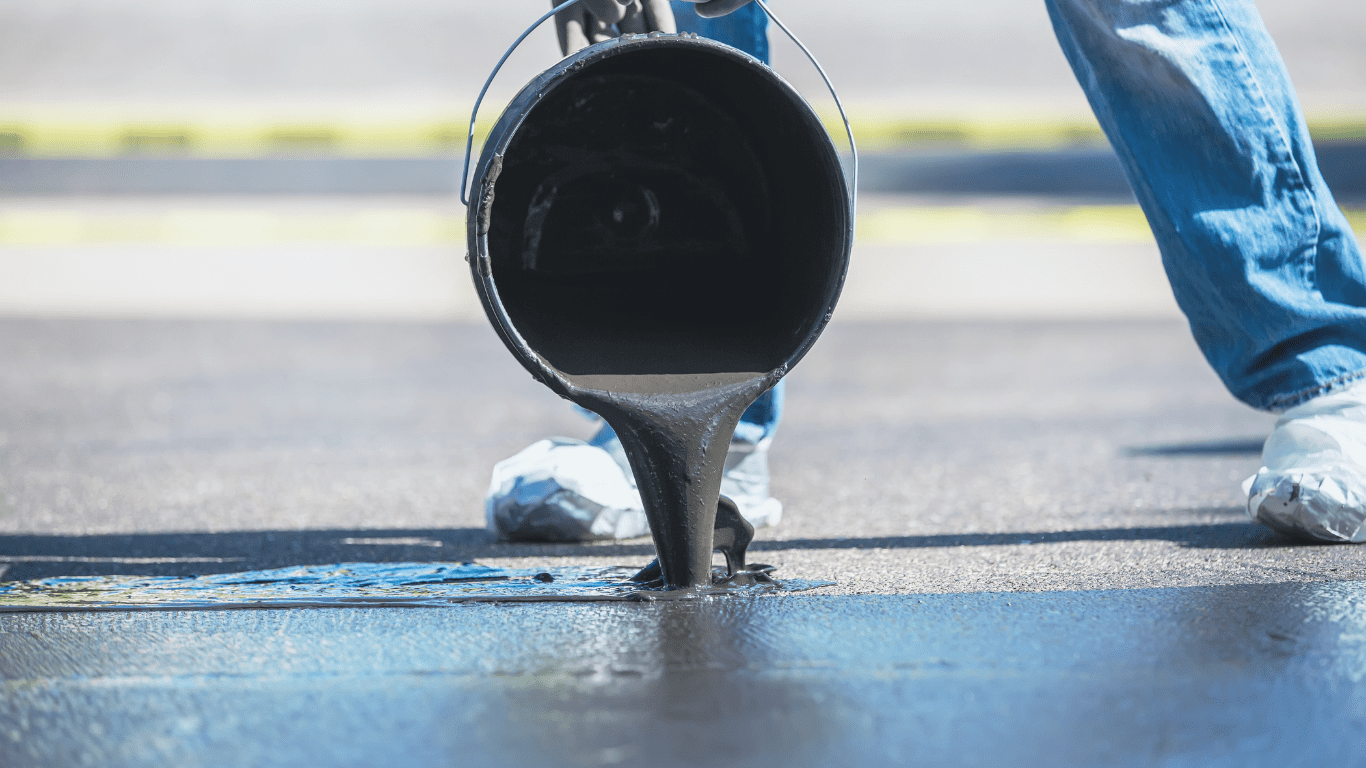
    Sealcoating: This protective layer shields the asphalt from UV rays, water, oil spills, and other damaging elements.

    Drainage Improvements: Proper drainage, especially for storm drainage, it is essential to prevent water accumulation, which can weaken the asphalt base and lead to potholes.

    Selecting a Qualified Parking Lot Repair Service

    Choosing a reputable and experienced parking lot repair service is vital. Look for providers with a track record of quality work, utilizing modern repair techniques and high-quality materials. Ensure they understand local climate challenges and traffic patterns to provide durable and effective solutions.

    Understanding the Parking Lot Repair Process

    The parking lot repair process typically involves an initial assessment of the damage, followed by surface preparation (such as cleaning and removing debris), applying the chosen repair method, and allowing sufficient time for the repair to cure. Coordinating repairs during off-peak hours can minimize disruption to your business and customers.

    Long-Term Parking Lot Care Strategies

    In addition to regular maintenance, long-term care strategies can further enhance the durability and appearance of your parking lot. This includes:

    Regular Cleaning: Keeping the parking lot free of debris and spills can prevent surface deterioration and staining.

    Traffic Management: Implementing measures to distribute traffic evenly across the lot can reduce wear in high-traffic areas.

    Landscaping Considerations: Proper landscaping can prevent root intrusion and provide shade, reducing temperature extremes that contribute to asphalt deterioration.

    The Role of Technology in Parking Lot Maintenance

    Advancements in technology, such as drone inspections and thermal imaging, can aid in the early detection of issues, allowing for more targeted and cost-effective repairs. Embracing these technologies can lead to more efficient maintenance practices.

    Educating Staff and Customers

    Educating staff and customers about proper parking lot usage and reporting potential issues can also play a role in maintaining the lot’s condition. Encouraging feedback can help identify problems before they escalate.

    Conclusion: Prioritizing Parking Lot Health

    In conclusion, parking lot repair is not just a matter of fixing potholes and cracks; it’s about adopting a holistic approach to maintenance that enhances the safety, functionality, and aesthetic appeal of the space. Regular checks, proactive upkeep, and quick fixes are important for prolonging your parking lot’s lifespan. They also help in maintaining a good impression of your business or property. Investing in parking lot maintenance is investing in the future of your property, ensuring it remains a welcoming and safe space for all who use it.

  • What Causes Potholes in Colorado?

    In the scenic state of Colorado, where the Rocky Mountains meet expansive plains, road maintenance is a crucial concern, especially when it comes to the formation of potholes in Colorado. As a leading pavement maintenance company in the region, we have in-depth knowledge of what causes these troublesome road imperfections. This article explores the factors contributing to pothole formation in Colorado, highlighting the importance of timely pavement maintenance.

    Understanding Potholes in Colorado

    potholes in colorado

    Potholes are not just a nuisance; they are hazards that can cause vehicle damage and pose safety risks. In Colorado, several factors contribute to the development of potholes in Colorado:

    • Weather Patterns: The state’s unique climate, characterized by cold winters and snowfall, is a primary factor. Freeze-thaw cycles cause water to seep into cracks in the pavement, freeze, expand, and then melt, creating spaces that weaken the asphalt and form potholes.
    • Traffic Volume: High-traffic areas are more prone to wear and tear. The weight and constant movement of vehicles, especially heavy trucks, stress the pavement, leading to cracks and eventually potholes.
    • Age of Pavement: Older pavements are more susceptible to potholes. Over time, asphalt loses its flexibility and resilience, making it easier for cracks to develop and turn into larger problems.
    • Quality of Pavement Installation: The initial quality of pavement installation plays a significant role. Poorly laid asphalt or inadequate sub-base can predispose a road to quicker deterioration and pothole formation.

    Preventive Measures and Maintenance

    Preventing and repairing potholes is essential for road safety and longevity. Our pavement maintenance services include:

    • Regular Inspections: We conduct thorough inspections to identify potential problem areas before they develop into potholes.
    • Sealcoating: Applying a sealcoat protects the asphalt from weather elements and prevents water penetration.
    • Prompt Repairs: Addressing cracks and minor damages quickly can prevent the formation of potholes in Colorado.
    • Quality Materials and Techniques: Using high-quality asphalt and proven repair techniques ensures the longevity and durability of the repairs.

    The Importance of Professional Pavement Maintenance

    Potholes in colorado Repair and maintenance

    Professional pavement maintenance is key to extending the lifespan of roads and preventing potholes in Colorado. As experts in this field, we use state-of-the-art equipment and techniques to ensure the highest quality of repair and maintenance. Our team is equipped to handle everything from small repairs to large-scale resurfacing projects.

    Conclusion

    Understanding what causes potholes in Colorado is crucial for effective road maintenance and safety. At Coatings, Inc., we are committed to providing top-notch services to keep Colorado’s roads safe and pothole-free. Regular maintenance, quality repairs, and professional interventions are the best defense against the challenges posed by Colorado’s unique climate and road conditions.

    For more information on our pavement maintenance services and to prevent or repair potholes, contact us. Let’s work together to keep Colorado’s roads in excellent condition.

  • Pavement Protection: Crack Seal vs Seal Coat

    Ensuring Long-lasting Pavement Protection

    Maintaining your pavement is more than just keeping it looking good—it’s about protecting your investment for the long haul. For property owners and managers, two key practices play a vital role in ensuring pavement protection: crack sealing and seal coating. Understanding the difference between the two—and why crack sealing should always come first—can make all the difference in preserving your pavement.

    What is Crack Sealing?

    Crack Seal vs Seal Coat

    Crack sealing is a proactive maintenance measure for pavements. It involves the application of a hot, rubberized sealant into existing cracks in the pavement surface. This method is important for stopping water and other harmful substances from damaging the layers of the road. By preventing moisture from entering and eroding these layers, crack sealing effectively wards off common pavement issues like potholes, further cracking, and surface degradation.

    Benefits

    • Prevents Water Damage: By sealing cracks, water is prevented from penetrating the pavement, thus avoiding the weakening of the base.
    • Extends Pavement Life: Regular sealing can extend the life of your pavement by preventing larger, more costly issues.
    • Cost-Effective Maintenance: Compared to major repairs, it is a more affordable way to maintain pavement quality.

    What is a Seal Coat?

    pavement protection

    Seal coating is a preventive maintenance procedure that involves applying a protective layer over the asphalt pavement. This coating acts as a barrier against various damaging elements, including water, oils, and UV rays. The process not only extends the pavement’s lifespan but also improves its appearance, offering a smooth, uniform surface.

    Benefits

    • Protection Against Elements: It shields the pavement from the harmful effects of weather, chemicals, and wear.
    • Aesthetic Improvement: It leaves a rich, dark finish that enhances the pavement’s look, boosting curb appeal.
    • Cost Savings: Regular seal coating can delay the need for more extensive and expensive repairs.

    Crack Seal vs Seal Coat: The Crucial Link

    While both crack sealing and seal coating are essential for pavement protection, the order in which they are performed matters. Cracks left unsealed before applying a seal coat can allow water to penetrate beneath the protective layer, compromising its effectiveness.

    Why crack sealing comes first:

    • It ensures a smooth, stable surface for the seal coat to adhere to properly.
    • It prevents underlying damage that could shorten the lifespan of the seal coat.

    By addressing cracks first, you set the stage for a more durable, long-lasting seal coat. Together, these two processes work in tandem to protect and preserve your pavement for years to come.

    Why Professional Services Matter

    Crack sealing and seal coating aren’t just DIY weekend projects. They require specialized tools, high-quality materials, and skilled technicians to ensure they’re done right. A professional approach ensures your pavement gets the precise care it needs based on its condition, preventing costly mistakes and maximizing its lifespan.

    The Coatings, Inc. Difference

    At Coatings, Inc., we’re passionate about protecting and enhancing your pavement. Our team of experienced professionals uses the latest tools and techniques to deliver flawless results every time. Whether it’s expertly sealing cracks or applying a smooth, durable seal coat, we go the extra mile to ensure your pavement stays strong and looks great.

    Why choose Coatings, Inc.?

    • Commitment to quality that guarantees long-lasting protection.
    • Expertise in crack seal vs seal coat techniques.
    • Customized solutions tailored to your pavement’s needs.

    Protect Your Pavement Today

    Crack sealing and seal coating are the perfect pair for effective pavement protection. By addressing cracks first and applying a protective seal coat, you can extend the life of your pavement while enhancing its appearance. Let Coatings, Inc. help you protect your investment with top-tier services designed to meet your specific needs.

    Contact us today to schedule your pavement maintenance and experience the Coatings, Inc. difference. Call (303) 423-4303 or visit our website for more information. Your pavement deserves the best care—let us provide it!

  • Can I Do Infrared Repairs and Asphalt Crack Sealing in the Winter?

    Yes, You Can!

    Winter’s chilly embrace often brings to mind cozy fires and warm beverages, not necessarily road or driveway repairs. However, the colder months need not spell a hiatus for all asphalt maintenance tasks. Contrary to some beliefs, infrared repairs and asphalt crack sealing can not only be conducted during winter but can also offer some unique advantages. Let’s explore these procedures and their winter viability.

    Infrared Repairs:

    Infrared repairs have steadily gained popularity as an efficient method to mend potholes, uneven surfaces, and other asphalt inconsistencies. By leveraging infrared technology, this technique heats the damaged asphalt area, softening it and making it malleable.

    Winter and Infrared Repairs:

    infrared asphalt repairs
    • Harnessing Heat: Infrared, by definition, emits heat, making it intrinsically suitable for colder temperatures. While winter’s cold can be fierce, the heat from infrared technology effectively counters it, ensuring that the asphalt softens adequately for repairs.
    • Tailored Techniques: Expert asphalt maintenance companies have honed their skills to adapt to varying conditions. In winter, they might tweak their methods slightly, like prolonging the heating duration, ensuring that the process remains efficient despite the cold.
    • Seamless Finish: One of the hallmarks of infrared repairs is the seamless finish, ensuring that the repaired area doesn’t stand out. This aspect remains consistent, irrespective of the season.

    Asphalt Crack Sealing:

    Asphalt crack sealing plays a pivotal role in extending the life of pavements. It involves filling and sealing cracks with a special sealant, preventing water from seeping in and causing more damage.

    Benefits of Asphalt Crack Sealing in Winter:

    Asphalt Crack Seal
    • Modern Sealants: Sealant technology has come a long way. Today’s products are crafted to perform well in various conditions. Cold-resistant sealants ensure that even in low temperatures, the application remains smooth and the adhesion strong.
    • Natural Assistance: Cold weather causes asphalt to contract. This natural phenomenon can actually be advantageous for crack sealing, as it results in wider cracks. The sealant can then penetrate deeper, providing a more robust and long-lasting seal.
    • Preventive Approach: Addressing cracks in the winter is a proactive approach. It ensures that water and ice do not further widen the cracks, causing more extensive damage when spring arrives.

    Why Consider Winter Repairs?

    Winter repairs offer several distinct advantages:

    1. Immediate Action: Postponing repairs can lead to escalating problems. By tackling issues in winter, you prevent them from worsening, saving time and potentially significant repair costs in the future.
    2. Safety Prioritized: Potholes and cracks can pose safety risks. Immediate repairs ensure that roads and pathways remain safe for pedestrians and vehicles, reducing accident risks.
    3. Experienced Professionals: The key to successful winter repairs lies in expertise. An experienced asphalt maintenance company will be well-equipped to navigate winter’s challenges, ensuring that the quality of repairs is uncompromised.

    Conclusion

    The question isn’t so much whether infrared repairs and asphalt crack sealing can be done in winter, but rather how they can be optimized for the season. With advancements in equipment, innovative materials, and the expertise of Coatings Inc., winter becomes a feasible and sometimes preferable time for asphalt maintenance. If you have asphalt issues needing attention, don’t wait for the snow to melt. Seek advice from Coatings Inc. and get ahead of potential problems, ensuring durability and safety across all seasons.

  • The Science Behind Asphalt Erosion: Understanding Its Molecular Vulnerability

    Asphalt – a durable, dependable surface many of us take for granted. Yet, despite its robust appearance, asphalt erosion remains a concern for many property owners and municipalities. Delving deeper into the science of asphalt, we uncover the reasons for this erosion and the solutions available. Let’s embark on this journey to understand the intricacies of the issue and how we can combat it.

    The Composition of Asphalt: More Than Just Black Rocks

    At first glance, asphalt may seem like merely a conglomerate of dark stones. However, its composition is much more complex. Asphalt primarily consists of a mix of gravel and small stones. Binding these aggregates together is crude oil, which not only grants asphalt its distinct black appearance but also enables it to maintain its form after setting.

    This crude oil acts as the adhesive in the mix. However, as formidable as it seems, it’s not invulnerable. The bonds created by this oil aren’t as steadfast as the aggregate rocks they unite. This is the foundation of asphalt erosion: the degradation of these oil-based bonds.

    asphalt erosion

    Nature’s Assault: The Primary Factors of Asphalt Erosion

    Though asphalt is tough, it’s perpetually under siege from environmental elements. Let’s explore some of the main culprits behind erosion:

    • Wind and Water: Over time, they can introduce minor cracks that magnify, disrupting the surface, leading to significant asphalt erosion.
    • Debris: Small particles transported by wind or vehicles can cause minute abrasions. Over time, these tiny marks contribute to surface wear and erosion.
    • UV Radiation: The sun’s ultraviolet (UV) radiation doesn’t just harm our skin; it attacks asphalt’s oil-based bonds. As these rays penetrate the surface, they weaken these bonds, propelling asphalt erosion on a molecular level.

    From the moment asphalt hardens, this molecular battle ensues, eroding its strength and resilience.

    Sealcoating: The Ultimate Defense Against Asphalt Erosion

    Facing the threats of asphalt erosion, there’s a potent solution: sealcoating. Offered by trusted experts like Coatings, Inc., sealcoating isn’t merely a surface treatment; it’s a guardian for asphalt.

    Sealcoating cloaks asphalt in a protective layer, defending those fragile oil-based bonds from environmental adversaries. By acting as a shield, it reduces the impact of wind, water, debris, and most importantly, UV radiation. This seal safeguards the binding agent in the asphalt, stemming the tide of erosion.

    The result? A surface that’s just as robust and durable as it was post-sealcoating, ensuring longer intervals between maintenance sessions.

    Embrace Prevention to Combat Asphalt Erosion

    Understanding the molecular vulnerabilities of asphalt showcases the value of preventative measures in staving off asphalt erosion. Investing in protections like sealcoating doesn’t merely prolong the lifespan of your asphalt; it also wards off potential hefty repair costs in the future.

    In the realm of asphalt, knowledge is pivotal. Equipped with insights into asphalt erosion, you can make well-informed decisions about its care. By collaborating with seasoned professionals like Coatings, Inc., you’re not only preventing asphalt erosion but ensuring your surface remains in top shape for the long haul.

  • A Guide to Asphalt Coatings: What Is The Best Type Of Asphalt Coating For Me?

    When it comes to maintaining the longevity and aesthetics of your asphalt surfaces, choosing the right coating can make a significant difference. Coatings Inc., a leading expert in this field, offers a range of asphalt coatings designed to protect and enhance your surfaces, regardless of their use or exposure to environmental elements. Today, let’s explore the variety of asphalt coatings provided by Coatings Inc. and discover their benefits and applications.

    Asphalt coatings not only preserve and protect your surfaces, but they also enhance the appearance and extend the life of your asphalt. Coatings Inc. offers a range of options, each designed to cater to specific needs and applications.

    Sealcoating

    asphalt coatings

    One of the most popular options is seal coating. This type of coating acts as a barrier against water, chemicals, oils, and UV damage. Sealcoating is an excellent choice for both commercial and residential use, as it extends the asphalt’s lifespan and offers an attractive, shiny finish. Coatings Inc. uses premium materials for sealcoating, ensuring optimal protection and a significant return on investment through extended asphalt life.

    Polymer-Modified Asphalt Coatings

    Polymer-modified coatings take asphalt protection to a new level. These products use innovative technology to combine asphalt with polymers, creating a coating with superior durability and flexibility. They are perfect for heavy-traffic areas, as they resist cracking, rutting, and aging better than standard coatings. Coatings Inc.’s polymer-modified coatings stand the test of time, offering remarkable resilience and performance.

    Cold Patching Asphalt

    Cold patching asphalt is a favorite for smaller projects since it is easy to apply and more cost-effective. Despite the ease of use, cold asphalt patching still offers solid protection against water damage and extends the surface’s life span. Coatings Inc. offers high-quality cold pour solutions that provide both simplicity and durability, although most jobs we would recommend hot-mix asphalt repair and sealcoating to provide a more permanent solution.

    Hot-Mix Asphalt Repair

    hot patch asphalt coatings

    For the most demanding jobs, hot-mix asphalt coatings are the preferred choice. This type of coating offers the highest level of durability and longevity, ideal for high-traffic areas or harsh weather conditions. The application process requires professional skills and equipment, which Coatings Inc.’s team of experts can provide, ensuring the best results.

    The benefits of hot-mix asphalt reapirs are numerous. By protecting against the elements, it extends the life of your asphalt, saving you money on further costly repairs and replacement.

    Coatings Inc.’s diverse range of asphalt coatings can cater to any project, regardless of size or requirements. Our expert team will guide you in selecting the ideal coating for your needs and provide professional, reliable application services. With Coatings Inc., you can be confident in the resilience and appeal of your asphalt surfaces.

    In summary, asphalt coatings are a critical part of maintaining and enhancing your surfaces. Whether you’re fixing an asphalt parking lot or a highway, Coatings Inc. has the solution for you. Contact us today to find out how our asphalt coatings can enhance and protect your investment.

    To keep up with the latest news and insights in asphalt coatings, stay tuned to Coatings Inc.’s blog. Together, let’s ensure your asphalt stands the test of time with superior protection and aesthetic appeal.

  • Why Sealcoating Matters in the Front Range of Colorado

    sealcoating, parking lot maintenance

    If you have asphalt pavement anywhere in the Front Range of Colorado, you probably already know how quickly our environment can take a toll on it. Between the hot, dry summers and the freeze-thaw cycles of winter, asphalt goes through a lot here. That’s why sealcoating isn’t just a good idea—it’s essential.

    Understanding Sealcoating

    Let’s start with the basics. Sealcoating is the process of applying a protective layer to the surface of asphalt. Think of it like sunscreen for your pavement. This layer helps block out damaging elements like UV rays, rain, snow, oil spills, and even gasoline. Without a proper seal coat, asphalt becomes brittle, dries out, and starts cracking. With it, you get a longer-lasting, better-looking surface.

    But it’s not just about protecting the asphalt—it’s also about maintaining flexibility. Sealcoating helps keep that essential binding oil in place, which prevents cracks and potholes. Left untreated, those small cracks can grow into big, expensive problems.

    And let’s be honest—looks matter too. A fresh coat of sealcoating makes your asphalt look brand new. That deep black finish gives your property instant curb appeal. It also makes lines and markings pop, which is great for safety and visibility.

    Why Sealcoating Is a Must in the Front Range

    Here in the Front Range, our weather is one of a kind. We get blazing sun in the summer that causes asphalt to oxidize, turning it gray and brittle. Then come the cold, snowy winters. Water sneaks into even the smallest cracks, freezes, expands, and—boom—you’ve got damage.

    Sealcoating provides a layer of protection against all of that. It slows oxidation, prevents water from seeping in, and keeps chemicals and oils from eating away at your asphalt. When you apply sealcoating every couple of years, you’re giving your pavement the armor it needs to stand up to Colorado’s extremes.

    Benefits of Sealcoating

    There’s a long list of reasons to make sealcoating part of your regular pavement maintenance. Let’s break down a few of the biggest ones:

    • Cost-Effective: Regular maintenance is way cheaper than repaving. It prevents damage before it starts, saving you from expensive repairs or full replacements.
    • Durability: A proper sealcoating application adds years to the life of your asphalt. It strengthens your surface and shields it from sun, snow, and everything in between.
    • Better Aesthetics: Transform faded, weathered asphalt into a sleek, jet-black surface that looks professional and well-maintained.
    • Safety First: Smooth, sealed surfaces are safer for both drivers and pedestrians. Plus, sealcoating fills in minor imperfections, reducing tripping hazards and keeping tires steady.

    Choosing the Right Seal Coat Services in the Front Range

    Not all jobs are the same. If you want it done right, you need a local company that knows what Colorado asphalt goes through year-round. Look for a sealcoating provider that uses high-quality materials specifically formulated for our climate and has a track record of success in the area.

    A great sealcoating contractor will do more than just spray and go. They’ll assess your asphalt first, fix any issues like cracks or surface damage, and only then move forward with sealcoating. They’ll also help you plan for future maintenance so you can keep your asphalt in great shape year after year.

    Protect Your Pavement in the Front Range

    At the end of the day, sealcoating is one of the smartest things you can do for your pavement. It’s affordable, effective, and it dramatically extends the life of your asphalt. Especially in the Front Range, where the weather doesn’t take it easy on outdoor surfaces, applying a professional seal coat is your first line of defense.

    So if your driveway, parking lot, or private road is looking a little tired—or you just want to protect your investment—consider scheduling a seal coat service soon. Think of it like giving your pavement a fresh start.

  • The Importance of Regular Asphalt Maintenance Service

    asphalt maintenance service- coatings inc

    A dependable asphalt maintenance service is essential for preserving the durability, flexibility, and cost-effectiveness of surfaces like roads, driveways, and commercial parking lots. Even the strongest asphalt breaks down over time due to traffic, weather, and environmental stressors. That’s why regular care is key—not only to maintain appearance but also to extend the lifespan of your pavement and keep users safe.

    In this post, we’ll break down why this is a smart investment, what it typically includes, and how it can help you get the most out of your surface for years to come.

    Safety Starts with Regular Asphalt Maintenance Service

    Cracks, potholes, and surface wear can turn a once-smooth asphalt area into a liability. Uneven surfaces are a serious tripping hazard for pedestrians and a threat to vehicles. In extreme weather—like rain, snow, or freezing temperatures—these risks only increase.

    By addressing minor issues early with routine maintenance, you can prevent them from becoming dangerous and costly. Regular inspections help identify damage before it worsens, allowing you to make timely repairs that improve safety and performance.

    Extending the Life of Your Pavement

    Even though asphalt is built to last, it’s still vulnerable to UV rays, oil spills, water infiltration, and temperature swings. These factors weaken the binding agents in the asphalt, leading to cracks, brittleness, and structural fatigue.

    One of the most effective steps in any asphalt maintenance service is sealcoating. This protective layer shields the surface from oxidation, moisture, and chemical damage, preserving flexibility and structural integrity.

    According to the Asphalt Institute, a well-timed asphalt maintenance service—especially sealcoating—can double the life of your pavement, making it an excellent long-term investment.

    The Impact of Water Damage

    Water infiltration is one of the leading causes of asphalt breakdown. When water enters cracks, it erodes the sub-base and expands during freeze-thaw cycles, which leads to wider cracks and potholes.

    A quality maintenance service includes crack sealing and drainage checks to prevent this type of damage. When performed regularly, these preventative steps can help avoid larger structural issues and preserve the appearance of your asphalt surface.

    Saving Money with Preventative Maintenance

    It can be tempting to postpone maintenance to cut costs, but skipping an asphalt maintenance service often leads to more expensive repairs—or full replacement—down the line.

    Proactive asphalt maintenance service options are far more affordable. For example:

    • Crack sealing costs significantly less than resurfacing.
    • Sealcoating adds protection and curb appeal for a low price.
    • Correcting drainage issues early prevents deeper structural problems.

    Investing in routine maintenance now helps you avoid unexpected expenses and keeps your pavement performing at its best for years to come.

    What to Include in an Asphalt Maintenance Service Plan

    An effective plan should go beyond basic patchwork. For long-lasting results, your service plan should include:

    • Routine inspections (annually or biannually)
    • Crack sealing for cracks wider than 1/8 inch
    • Sealcoating every 2–3 years
    • Prompt pothole repair
    • Drainage evaluation and management
    • Line striping for visibility and safety

    These steps ensure your pavement remains safe, functional, and visually appealing year-round—while also maximizing the return on your asphalt investment.

    Don’t Wait Until It’s Too Late

    A professional asphalt maintenance service is more than just sealing and filling cracks—it’s a strategic approach that protects your investment, extends pavement life, and enhances safety. At Coatings, Inc., we offer customized solutions designed to meet your specific needs. Whether you’re maintaining a residential driveway or a large commercial lot, our experienced team is here to help your pavement perform its best.

    Ready to get started? Contact Coatings, Inc. today to schedule a consultation or request a full evaluation.

  • Can You Sealcoat During the Winter?

    Can You Sealcoat During the Winter?

    sealcoat during the winter

    Thinking about a sealcoat during the winter? You might be wondering if it’s worth the effort and investment given the unique challenges the season brings. Winter months pose conditions that can directly impact both the effectiveness and timing of your sealcoating project, raising questions about whether this protective layer will cure properly, endure the cold, and offer lasting benefits.

    So, can you apply sealcoat during winter? The answer depends on several factors, including temperature, moisture levels, and your specific goals for the asphalt surface. Done under the right conditions, winter sealcoating can protect your pavement from the additional wear and tear that snow, ice, and freezing temperatures often bring. On the flip side, winter’s unpredictability can create challenges that may delay the curing process, making it essential to plan ahead and consult with a knowledgeable contractor.

    What is Sealcoating?

    Sealcoating involves applying a protective coating to asphalt surfaces, which shields them from weather-related wear, UV damage, and general aging. It helps to seal minor cracks, extends the lifespan of the pavement, and keeps asphalt looking fresh. Ideally, sealcoat is applied to asphalt that’s at least a year old to ensure it’s fully cured.

    Why Consider a Sealcoat During the Winter?

    You might be surprised to hear that doing a sealcoat during the winter has some potential advantages:

    1. Temperature Range: While contractors usually prefer temperatures between 50 and 90 degrees Fahrenheit, some winter days can fall within this ideal range. When the forecast aligns, applying sealcoat on cold but clear days can be effective.
    2. Added Protection: Winter brings harsh conditions like snow, ice, and freezing temperatures. Applying sealcoat during this time can shield your asphalt from winter’s damaging effects, helping it resist cracking and moisture absorption.

    Potential Drawbacks of Sealcoating in the Winter

    While the colder season has some perks, it also comes with challenges:

    • Curing Difficulties: Low temperatures and humidity can interfere with proper curing, potentially weakening the sealcoat’s protective layer. If not cured fully, the sealcoat may not offer its maximum protection.
    • Access and Timing Issues: Snow, ice, and general winter conditions can make it difficult for contractors to access your asphalt, leading to delays. The weather can also extend the time needed for curing and increase labor costs.

    Tips for Successful Sealcoating in Winter

    If you’re considering sealcoating during winter, follow these tips to optimize results:

    1. Check the Weather: Ensure temperatures are within the 50–90 degree range for at least 48 hours after application to support proper curing. This is crucial for maximizing the sealcoat’s effectiveness.
    2. Consult Your Contractor: Open communication is essential. Make sure your contractor is experienced with winter sealcoating and equipped to handle any unexpected weather changes.
    3. Plan for Delays: Winter conditions are unpredictable, so plan for possible delays. Discuss the best time windows for application and have backup plans in place with your contractor.

    Final Thoughts: Should You Sealcoat During the Winter?

    The question isn’t can you sealcoat in the winter, but should you sealcoat during the winter. Sealcoating during winter can be a viable option if temperatures cooperate and you plan effectively. By weighing the pros and cons and preparing for possible weather interruptions, you can set up your sealcoating project for success. With clear communication and a careful approach, sealcoating in the winter can add valuable protection to your asphalt surface for the season and beyond.

    For reliable and professional sealcoat application, consider Coatings, Inc. Our team has extensive experience in delivering high-quality sealcoating services designed to protect and enhance your asphalt surfaces, even during challenging winter conditions. Visit Coatings, Inc. Sealcoat Services to learn more about how we can help safeguard your investment year-round.