
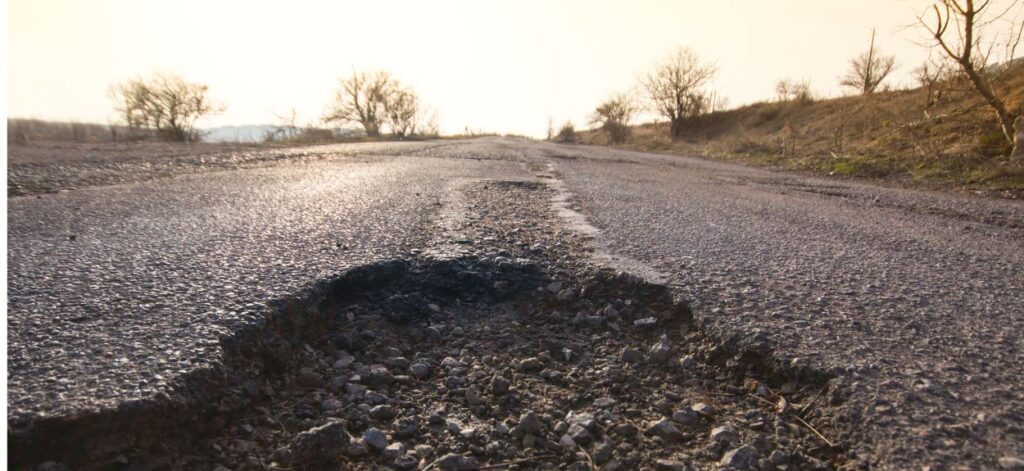
When it comes to keeping pavement safe, smooth, and functional, pothole repair should never be pushed to the bottom of the maintenance list. Potholes are more than an eyesore. They can damage vehicles, create trip hazards, and point to deeper problems that may become more expensive if ignored. For property owners, HOAs, and commercial managers, understanding how potholes form and how to fix them can help protect both safety and long-term budgets.
What Causes Potholes?
Most potholes start with water. Small cracks allow moisture to seep below the surface. In Colorado, freeze-thaw cycles make this problem worse. Water freezes, expands, and pushes the pavement apart. When it melts, it leaves weakened areas beneath the surface.
As vehicles continue driving over those weakened spots, the pavement flexes and eventually breaks apart. Heavy traffic, poor drainage, aging materials, and delayed maintenance can all speed up the process. What begins as a small crack can turn into a larger hole if it is not addressed early.
Common causes of potholes include:
- Water entering through cracks
- Repeated freeze-thaw cycles
- Heavy vehicle traffic
- Poor drainage or standing water
- Aging pavement and lack of routine maintenance
Why Timely Pothole Repair Matters
Delaying pothole repair can create safety, liability, and cost concerns. Drivers may swerve to avoid damaged areas, pedestrians may trip, and vehicles can experience tire, wheel, or suspension damage. For businesses and residential communities, visible pavement damage can also affect curb appeal and create a poor first impression.
The longer a pothole sits, the more likely it is to grow. Water continues entering the damaged area, traffic continues weakening the base, and the repair area becomes larger. Timely pothole repair helps restore the surface before the damage spreads and reduces the likelihood of more extensive work later.
Common Pothole Repair Options
Not every pothole needs the same solution. The best repair method depends on the size, depth, location, and condition of the surrounding pavement.
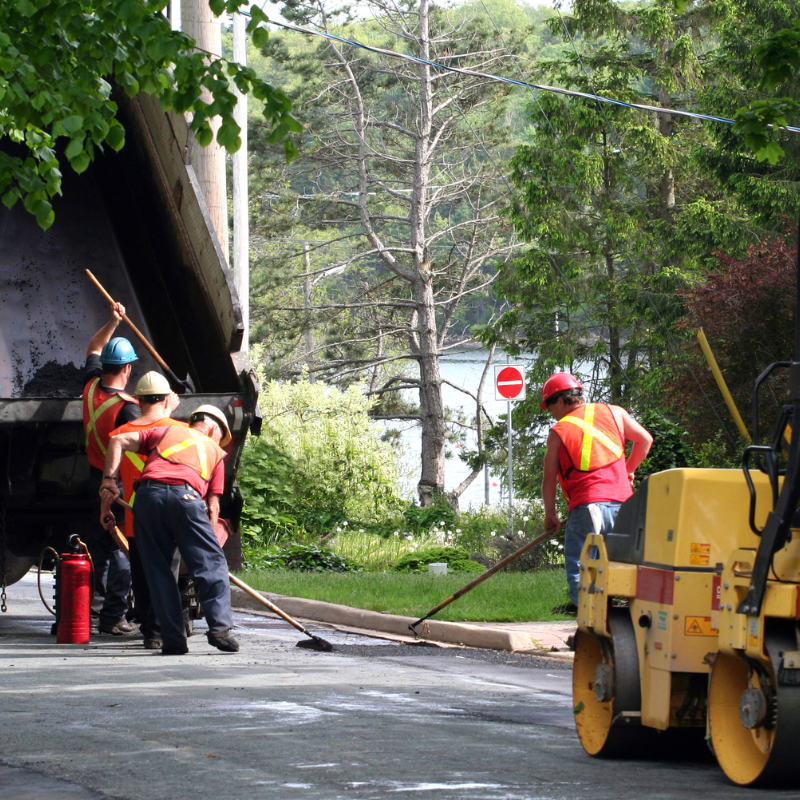
Patching is often used for quick, short-term repairs. It fills the damaged area and restores usability, but it may not always address deeper structural concerns.
Infrared repair is a more advanced option that uses heat to soften the surrounding pavement. New material is blended with the existing surface, creating a smoother, more seamless repair. This can be a strong choice when the surrounding surface is still in good condition.
Full-depth repair is used when damage extends below the surface. The affected section is removed and rebuilt, making it a more intensive but longer-lasting option for serious failure.
How to Prevent Future Potholes
While pothole repair is important, prevention is the smarter long-term strategy. Routine maintenance helps stop water from entering the surface and weakening the base below.
A strong maintenance plan may include:
- Regular pavement inspections
- Crack sealing before winter weather
- Seal coating to protect the surface
- Drainage improvements to reduce standing water
- Timely repairs before small issues spread
Coatings, Inc. offers services such as crack sealing, infrared repair, seal coating, and broader maintenance to help property owners stay ahead of damage. These services work together to extend surface life and reduce the need for emergency repairs.
A Smarter Way to Protect Your Pavement
Effective pothole repair is not just about filling a hole. It is about understanding why the damage happened and choosing the right repair for the condition of the pavement. A quick fix may work in some cases, while other situations need a more durable repair method to prevent repeat problems.
With more than 50 years of experience serving the Denver Metro area, Coatings, Inc. understands how Colorado weather, traffic, and seasonal wear affect pavement. By addressing potholes early and pairing repairs with preventive maintenance, property owners can reduce hazards, improve appearance, and keep paved surfaces performing longer.