
When a pavement surface shows signs of distress, it’s usually because underlying forces have compromised its structural integrity. Understanding the common causes of asphalt damage can help property managers, business owners, and maintenance planners take proactive steps to protect their investment. With over fifty years of experience serving the Denver metro area, Coatings, Inc. knows that recognizing the early signs of deterioration and taking timely action can significantly extend the lifetime of any paved surface.
How Weather and Environment Contribute to Distress
One of the most significant drivers of asphalt damage is weather, particularly in climates that experience wide temperature swings. Water that enters existing cracks or joints can expand when it freezes, pushing apart the material and creating larger gaps. This cycle of freezing and thawing weakens the pavement structure over time, leading to cracking, edge breakage, and even potholes after repeated climatic stress.
Moisture isn’t the only environmental factor. Ultraviolet radiation from the sun oxidizes the surface binder in the pavement, making it brittle and prone to cracking. According to industry insights on pavement deterioration, repeated thermal cycling from hot days to cold nights stresses the surface, contributing to common failures like transverse and longitudinal cracking.
Traffic Loads and Structural Stress
Heavy vehicles and repeated traffic loads also accelerate asphalt damage. Every time a vehicle passes over a pavement surface—especially large trucks or construction equipment—the load stresses the material. When underlying layers are weak or the base was not properly prepared, this stress leads to fatigue cracking or alligator cracking, where the surface develops interconnected fracture patterns.
Over time, the cumulative effect of traffic can cause the surface to deform, rut, or curl at the edges. These signs often indicate deeper structural issues in the subbase or foundation, which may require more extensive intervention than surface patching alone.
Poor Drainage and Subgrade Issues
Water is one of the most damaging forces acting on any pavement system. When stormwater does not drain properly, it tends to pool in low areas, causing saturation of the base and subgrade. A saturated foundation loses strength, making the overlying surface more susceptible to deformation and failure. This can result in depressions that hold water and become breeding grounds for accelerated cracking and potholes.
Coatings, Inc. emphasizes that part of effective pavement care is ensuring proper drainage design so that water flows away from the surface rather than into it. Proper drainage not only helps reduce asphalt damage but also protects adjacent landscape and structural elements from water intrusion.
Material Quality and Installation Practices
Not all surfaces are created equal. The mix design, material quality, and installation practices used when constructing or repairing a surface significantly affect long-term performance. Improper compaction, incorrect binder ratios, or the use of substandard aggregates can weaken the material and leave it prone to early wear.
For example, a surface that was not compacted to the correct density will have a higher air void content. These voids allow water to infiltrate more easily, increasing the likelihood of freeze-thaw damage. Addressing these issues early—through methods like proper crack sealing and professional repair techniques—can mitigate the progression of asphalt damage in otherwise sound pavement.
Preventative Maintenance: Your Best Defense Against Asphalt Damage
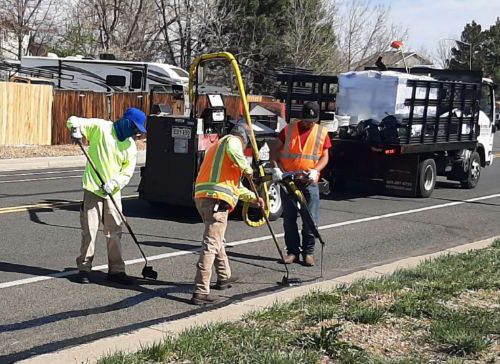
Regular maintenance is the most effective strategy to prevent widespread deterioration. Coatings, Inc. offers several preventative services designed to extend pavement life and minimize asphalt damage:
- Crack Sealing: Seals small cracks before they widen and allow water infiltration.
- Infrared Repair: Efficiently blends new material into damaged areas for a seamless fix.
- Seal Coating: Adds a protective layer that guards against oxidation, moisture, and UV radiation.
Early detection and intervention prevent minor issues from becoming major repairs. A routine inspection schedule—especially before seasonal changes—helps property managers spot emerging problems before they escalate.
Planning for Long-Term Surface Health
Understanding the causes of asphalt damage empowers you to make better decisions about maintenance and repair. Regular inspection, proper drainage management, and timely application of preventative services can dramatically slow the progression of surface deterioration. Working with experienced professionals like Coatings, Inc. ensures that maintenance strategies are tailored to the specific environmental and usage conditions of your property.
Whether you’re preparing for seasonal changes or addressing visible surface distress, informed action today can protect your pavement investment for years to come.